
Dogs exhibit a range of sleeping positions, each with its own meaning. Understanding these positions can help you gain insight into your dog’s health and emotional state.
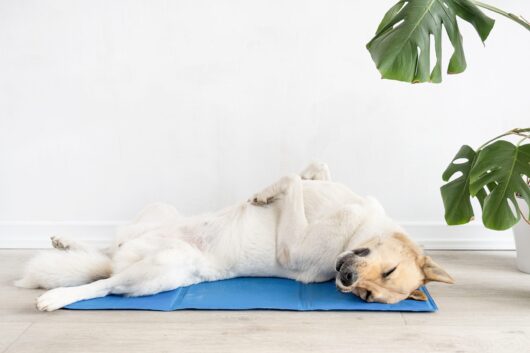
1. Sleeping on Their Back With Paws in the Air
A dog lying on its back with its paws in the air is typically a sign of trust and relaxation. This position exposes their most vulnerable parts, indicating they feel safe and secure in their environment. Additionally, this posture helps them cool down, as the fur on their belly is thinner and less insulating than on their back.
Observing a dog in this position can also be amusing, as it often looks like they’re in a state of carefree bliss. This position can be a sign that your dog is in a deep sleep, as they are unlikely to remain in such an exposed position during light naps.
2. Curling Up
When dogs sleep curled up, they are conserving body heat and protecting their vital organs. This position is reminiscent of their wild ancestors, who needed to protect themselves while resting. It can also suggest that your dog is feeling a bit insecure or is trying to keep warm.
This position is especially common in colder climates or during the winter months when warmth is a priority. Additionally, if your dog is new to your home or if there have been recent changes in their environment, they might adopt this position more frequently. It’s important to provide a warm, comfortable bed to help them feel more secure and relaxed.
3. Sleeping On Their Side
Dogs sleeping on their side are usually at ease and comfortable in their surroundings. This posture indicates a relaxed state and suggests that your dog feels safe. It’s a common position for dogs who are content and secure in their environment.
This position allows for easy, deep breathing, which is a sign that your dog is in a restful and restorative sleep. Dogs who are accustomed to their environment and have a strong bond with their owners often favor this position. Notably, dogs that are in good health and have no underlying discomfort typically choose this posture for sleep.
4. The Superman Pose
In the Superman pose, dogs lie on their stomachs with their limbs stretched out. This position is often seen in puppies and highly energetic dogs, as it allows them to spring into action quickly. It’s a sign that your dog is feeling playful and energetic.
This position is also common after a day filled with activity, as it allows their muscles to stretch and relax. Puppies, in particular, enjoy this pose as they are often filled with bursts of energy and readiness to play. Moreover, it can be a transitional position between play and rest, showing that your dog is comfortable and content.
5. Sleeping With Their Head Elevated
Some dogs like to sleep with their head resting on a pillow, the arm of a sofa, or even your lap. This position can be a sign of affection and a desire to be close to you. It also suggests that your dog finds comfort and security in your presence.
This behavior is often seen in dogs that enjoy being part of family activities and want to stay connected with their owners. Resting their head on an elevated surface can also help with breathing and provide additional comfort for dogs with certain health conditions. Additionally, it signifies that your dog trusts you and values your companionship.
6. Sleeping Close to You
Many dogs love to sleep near their owners, often cuddling up as close as possible. This behavior is rooted in their pack mentality and desire for companionship.
Dogs are pack animals by nature, and sleeping close to their owner provides warmth and a sense of security. It mimics the comfort they would have experienced sleeping in a pile with their littermates.
Sleeping close to you is also a way for your dog to bond and show affection. It’s a sign of trust and love, indicating that your dog feels safe and cherished in your company. Dogs often seek physical proximity as a way to express their love and loyalty, making it a heartwarming experience for both of you.
7. Sleeping Near You for Protection
In some cases, your dog may sleep near you to protect you. Their natural guarding instincts kick in, and they position themselves to be alert to any potential threats, even while resting.
This behavior is common in breeds known for their protective nature, as they naturally want to safeguard their loved ones. While they may appear to be sleeping, their senses remain attuned to any unusual sounds or movements. This protective behavior is a testament to their loyalty and dedication to ensuring your safety.
8. Resting Their Head on You
When your dog rests its head on you while sleeping, it’s a gesture of trust and dependency. This position indicates that they feel safe in your presence and rely on you for comfort and security. It also allows them to stay connected with you, even while they rest.
This behavior can be particularly comforting for dogs that experience anxiety or stress, as your presence provides reassurance. It also signifies their desire to be close to you, valuing the physical and emotional connection you share. Moreover, it’s a bonding experience that reinforces the mutual trust and affection between you and your pet.
9. Sleeping on Their Back
Sleeping on their back is one of the most vulnerable positions for a dog. When your dog chooses this position, it is a sign of trust and comfort. It suggests they feel completely at ease and are confident in their safety.
This position is often seen in dogs that are well-adjusted and have a stable environment. It signifies that they do not feel threatened and have no fear of potential dangers. Additionally, this position helps them cool down, as it exposes their belly to the air, making it a preferred position during warm weather.
When Sleeping Positions Change Suddenly
If you notice a sudden change in your dog’s sleeping positions, it might be a sign that something is amiss. Here are some considerations:
Health Issues
Sudden changes in sleeping positions can indicate discomfort or health issues. If your dog starts sleeping in unusual positions or seems restless, it might be a good idea to consult your veterinarian. They can help identify any potential medical concerns that could be affecting your dog’s health.
Pay attention to other signs of discomfort, such as limping, difficulty moving, or changes in appetite, as these could be related. Early detection and intervention can prevent more serious health issues and ensure your dog remains healthy and comfortable. Moreover, discussing your observations with a veterinarian can provide valuable insights into your dog’s overall well-being.
Environmental Changes
Alterations in your dog’s sleeping habits can also be triggered by changes in their environment. Moving to a new home, changes in family dynamics, or the introduction of a new pet can affect your dog’s sense of security and alter their sleeping positions.
Providing a stable and comforting environment during transitions can help alleviate stress. Ensuring that your dog has a dedicated space to sleep and relax can also help them adjust more quickly. Additionally, maintaining a routine can provide a sense of normalcy, helping your dog feel more at ease.
Age-Related Changes
As dogs age, their sleeping patterns and positions may change. Puppies often sleep in different positions compared to adult dogs, and older dogs might adjust their sleeping habits due to joint pain or other age-related issues.
Older dogs may require more supportive bedding to accommodate their changing needs. Puppies, on the other hand, might move through various positions as they grow and develop. Understanding these developmental changes can help you provide the appropriate care and comfort for your dog at each stage of life.
Final Thoughts
Understanding your dog’s sleeping positions can provide valuable insights into their emotional and physical well-being. Whether they’re snoozing on their back, curled up in a ball, or nestled close to you, each position tells a story about your dog’s comfort and trust.
By paying attention to these sleeping habits, you can ensure your furry friend is happy and healthy. If you ever have concerns about your dog’s sleep patterns or positions, consulting a veterinarian can provide peace of mind and help address any underlying issues.
By fostering an environment of safety and love, you’ll encourage your dog to rest comfortably and enjoy a peaceful slumber. Your role as a compassionate and attentive pet owner plays a significant part in your dog’s overall happiness and health. Creating a warm, secure, and loving home will not only enhance their sleep quality but also strengthen the bond you share.
Call or visit us at CityVet to book your appointment.