
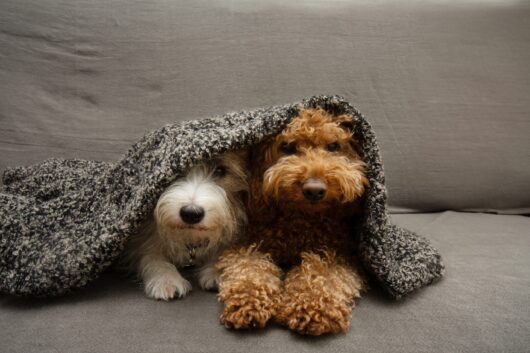
New Year’s Eve is a night full of celebration, but for pets, the loud noises, flashing lights, and unfamiliar activity can be frightening and even dangerous. Fireworks are one of the leading causes of lost pets during the holidays because the sudden booms can trigger panic, stress, or attempts to escape. Understanding how fireworks affect pets and taking a few simple precautions can help keep your furry friends safe, calm, and secure as you ring in the new year.
How to Prepare Your Pet Before Fireworks Begin
- Ensure your pet’s ID tags and microchip information are updated
- Take dogs on a long walk earlier in the day to help reduce evening anxiety
- Feed pets their dinner a bit earlier to promote calmness
- Set up a designated safe space with blankets, toys, or a crate
- Play calming music, white noise, or TV to help drown out fireworks sounds
- Consider calming aids such as pheromone diffusers, compression wraps, or vet-approved supplements
During the Fireworks
- Keep pets indoors at all times, preferably in an interior room away from windows
- Close curtains and blinds to limit visual flashes
- Turn on background noise like fans or music
- Stay with your pet if possible to provide comfort and reassurance
- Avoid scolding them for fearful behavior—fear is a natural response
- Offer treats or enrichment items like a lick mat to shift their focus
Signs Your Pet Is Overly Stressed
- Heavy panting, trembling, or excessive pacing
- Hiding or attempting to escape
- Whining, barking, or vocalizing
- Destructive behaviors like chewing or scratching
- Drooling, vomiting, or sudden accidents inside the home
When to Seek Veterinary Help
- If your pet injures themselves during a panic episode
- If anxiety symptoms worsen year after year
- If your pet stops eating, becomes lethargic, or displays unusual behavior
If your pet struggles with New Year’s Eve fireworks or noise anxiety, we’re here to help keep them safe and comfortable. Call or visit us at CityVet to book your appointment.