
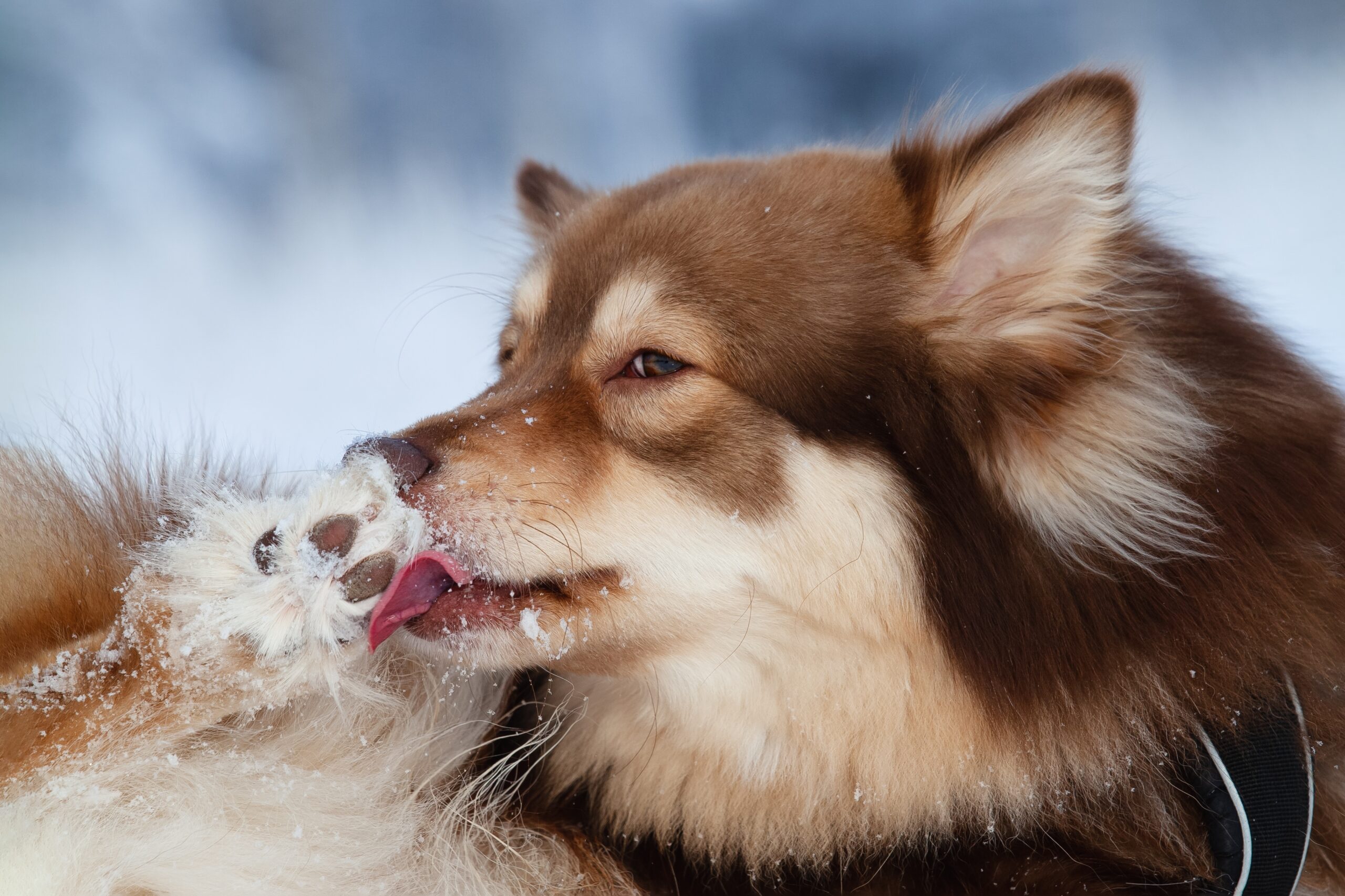
Dogs are known for their quirky habits, but when your beloved pet is constantly licking his paws, it can be puzzling and concerning. Paw licking is a common behavior in dogs, but when it becomes excessive, it’s crucial to understand the underlying reasons and take action.
In this article, we’ll delve into the reasons why your dog might be licking his paws incessantly and provide insights into potential remedies. Our aim is to equip you with the knowledge to make informed decisions about your pet’s health.
Potential Causes
Paw licking in dogs can be a normal part of grooming, but when it turns into persistent behavior, it may indicate underlying issues. It’s important to recognize when this habit has crossed the line from normal to excessive.
Allergies: One of the most common reasons for paw licking is itch caused by allergies. Dogs can be allergic to various elements such as pollen, molds, dust mites, or certain food ingredients. Allergies often manifest as itching, and paw licking is a dog’s way of relieving it.
Infections: Excessive licking can lead to bacterial or fungal infections that worsen your dog’s itchy paws, making them more uncomfortable.
Injury: Sometimes, paw licking can be a response to pain from an acute injury (like a thorn, small cut, or abrasion) or from something more chronic (like osteoarthritis). These conditions could cause your dog to lick the affected area repeatedly.
Parasites: Fleas, mites and ticks can also be culprits. These parasites cause irritation and can lead to incessant licking.
Behavioral Issues: Dogs may lick their paws due to boredom, anxiety, or stress. Like humans biting their nails, paw licking can be a self-soothing behavior. Licking releases serotonin and has a natural calming effect but too much licking can indicate anxiety and lead to infection.
Dry Skin: Environmental factors such as dry air, or certain endocrine disorders such as hypothyroidism can lead to dry, itchy skin, prompting your dog to lick his paws.
Symptoms to look for:
- Redness or Swelling: Check if your dog’s paws appear red, swollen, or irritated.
- Odor: An unpleasant smell can indicate an infection.
- Discharge: Look for any unusual discharge between the toes.
- Limping: Your dog may limp or favor one paw over the others.
Proactive Treatment
If the paw licking is persistent and accompanied by any of the above symptoms, it’s wise to consult your veterinarian. They can perform a thorough examination and recommend diagnostics that will help to determine the root cause and suggest appropriate treatment. Treatment can come in many forms. Here are a few ideas for your pet:
Hygiene
- Regular Cleaning: Keep your dog’s paws clean by gently wiping them with pet safe wipes or washing them with lukewarm water and drying thoroughly.
- Grooming: Maintain a regular grooming routine, including nail trimming and fur cleaning, to prevent irritants from accumulating.
Diet and Medication
- Medication: Your vet may prescribe medications for allergies or antibiotics for infections.
- Flea and Tick Prevention: Regular use of flea and tick preventatives can reduce irritation from parasites.
- Dietary Changes: If allergies are suspected, your vet might recommend dietary changes or hypoallergenic dog food.
- Training, supplements, and/or medications may be prescribed to reduce anxiety if a behavioral component is suspected.
Medical Care
- Bandaging: In some cases, bandaging the paw can prevent further licking and allow healing.
- Paw Balms: Consider using paw balms or moisturizers to soothe and protect your dog’s paws, especially if dry skin is an issue.
- Humidifiers: Use humidifiers in your home to prevent dry skin.
Allergy Management: Minimize allergens in your home by cleaning regularly and using air purifiers.
Conclusion
Understanding why your dog is constantly licking his paws is crucial to ensuring his well-being. By identifying the underlying causes and implementing the appropriate remedies, you can help your furry friend find relief and comfort.
With a proactive approach, you can prevent excessive paw licking and promote a healthier, happier life for your pet. Remember, when in doubt, consult with a veterinarian to ensure your dog receives the best care possible.
By being attentive and informed, you’re not only addressing simple behavior but also contributing to your dog’s overall health and happiness.
Meet the Doctor!
If you live in the Carmel, Indiana area visit Dr. Stephanie Beeson, DVM and Owner of CityVet | Carmel, author of this blog. Book an appointment with Dr. Beeson now!
Call or visit us at CityVet to book your appointment.