
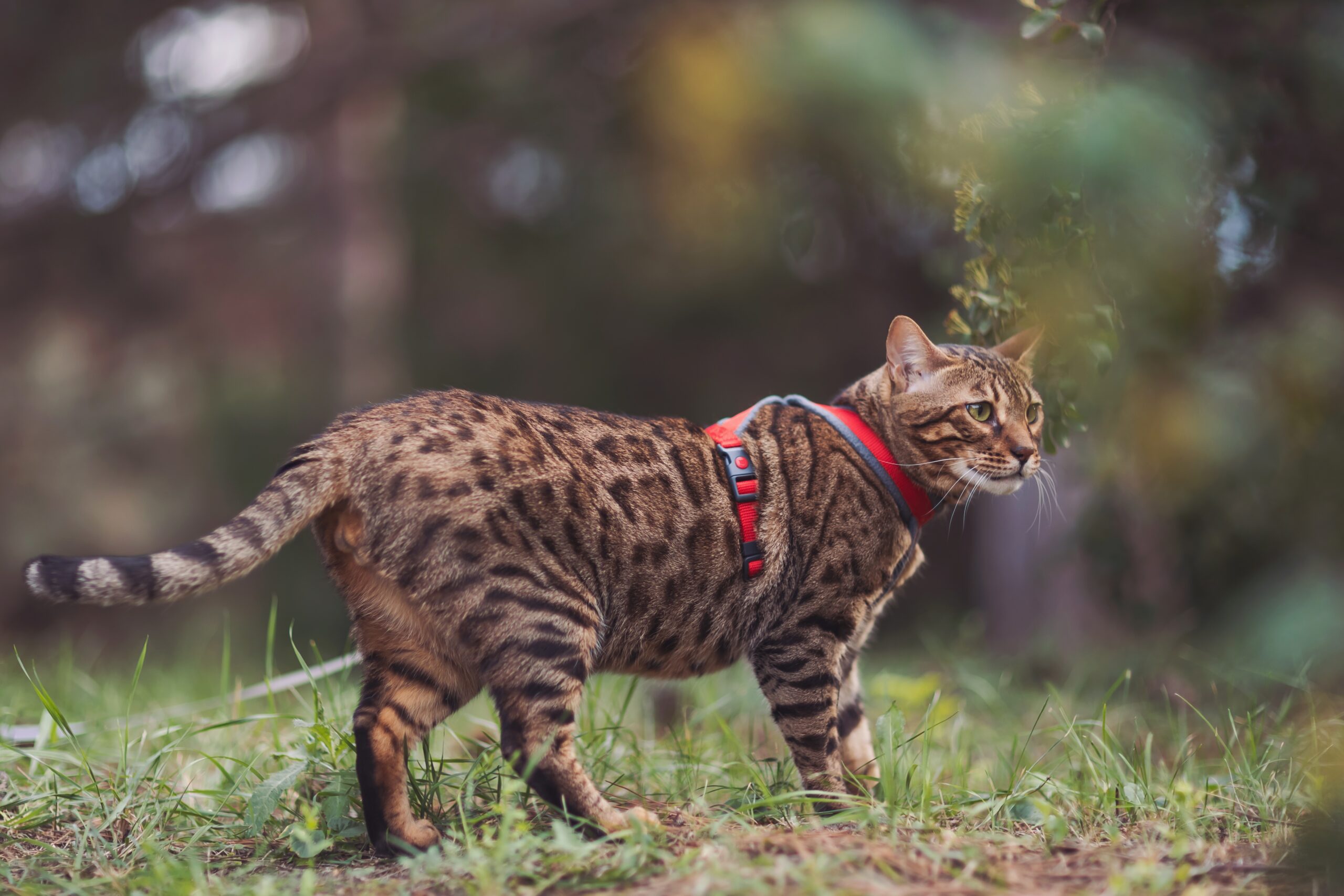
In this article, we’ll explore the mechanics of a cat’s leap and landing — often referred to as cat landing — uncovering the secrets behind this impressive ability. We’ll also discuss how understanding these principles can help pet owners make informed decisions about their cat’s health and safety.
The Power of Feline Physics
To understand how cats land on their feet, we first need to examine the anatomy that makes their jumps so effective. Many people wonder, do cats always land on their paws, and why can cats land when they fall? Cats are equipped with a unique skeletal structure and muscular system that allows for incredible flexibility and strength, ensuring they land on their paws much of the time.
Flexible Spine: The Backbone of Agility
A cat’s spine is exceptionally flexible, thanks to its many small vertebrae and elastic discs. This flexibility enables cats to twist their bodies mid-air, a crucial element in their ability to land on their feet. The spine acts as a central pivot, allowing the cat to perform complex movements with grace and precision. Moreover, this flexibility is not just for landing; it also aids in their ability to squeeze through tight spaces and change direction swiftly during a hunt.
Muscular Power: Propelling the Leap
In addition to their flexible spines, cats have powerful muscles in their back and legs that help propel them into the air with force and precision. The hind leg muscles are especially important, providing the explosive power needed to initiate a jump. These muscles are highly efficient, enabling cats to leap up to six times their body length in a single bound and power a long cat leap. This is why you might see your cat jumping high to a windowsill with apparent ease. Before a cat jumps, their body coils like a spring to store energy. The coordination between muscle groups ensures that the energy is then used effectively, maximizing both height and distance.
Tail Dynamics: Steering and Stabilizing
A cat’s tail plays a significant role in maintaining balance during a jump or fall. It acts as a counterbalance, allowing the cat to adjust their position and stabilize themselves while airborne. The tail’s movement helps in steering the body, providing direction and control as the cat maneuvers through the air. Furthermore, the tail’s position can indicate the cat’s emotional state, offering insights into their level of confidence and focus during a leap.
The Righting Reflex: Nature’s Safety Mechanism
The righting reflex is an innate ability that allows cats to reorient their bodies during a fall, ensuring they land on their feet. It is central to explaining why cats can land on their feet when they fall. This reflex is present in kittens as young as three weeks old and continues to develop as they grow, allowing them to gracefully land on their paws when they fall.
The Role of the Vestibular System
When a cat falls, they first use their head to determine which direction is up. The inner ear, which contains the vestibular apparatus, helps the cat detect their orientation in space. This complex system works like an internal gyroscope, providing critical feedback on balance and spatial awareness. It enables the cat to make rapid adjustments, ensuring that their head and body are aligned correctly during a fall.
Coordinated Body Movements: Achieving the Perfect Landing
Once the head is aligned with the ground, the rest of the body follows. The cat then arches their back and twists their spine, using the flexible vertebrae to rotate their body. This rotation allows the front and back halves of the cat’s body to move independently, enabling them to achieve the correct landing position. The coordination is so precise that even in complete darkness, a cat can execute this maneuver flawlessly, highlighting the efficiency of the reflex. The result is a controlled cat landing on paws after jumping high.
Limitations and Influencing Factors
While the righting reflex is a remarkable adaptation, it is not foolproof. Several factors can affect a cat’s ability to land safely, including the height of the fall, the cat’s age, weight, and overall health. Cats are more likely to sustain injuries from falls that occur from heights greater than seven stories, as they may not have enough time to complete the righting process. Additionally, older or overweight cats may struggle with the speed and agility required for a successful landing. Even a perfect cat landing on feet cannot fully eliminate impact forces, and cat jumping from high shelves or cat landing from high windows still carries risk.
The Role of a Cat’s Jump in Everyday Life
Cats rely on their jumping and landing abilities for more than just safety during falls. These skills play a vital role in their daily lives, helping them hunt, explore, and interact with their environment.
Precision in Hunting: A Predator’s Advantage
Cats are natural hunters, and their ability to leap with precision is crucial for catching prey. Whether pouncing on a toy or stalking a mouse, a cat’s agility and speed are essential for a successful hunt. The stealth and accuracy of their movements allow them to close in on their target with minimal detection, making them efficient predators.
Exploration and Curiosity: Navigating New Terrain
Cats are curious creatures that enjoy exploring their surroundings. Their jumping skills allow them to access high perches, navigate obstacles, and investigate new environments. This behavior not only satisfies their curiosity but also helps them stay mentally and physically stimulated. Exploration is a key aspect of a cat’s life, fostering both cognitive development and environmental awareness. Providing opportunities for cat climbing and landing on stable platforms is important. So, when your cat is climbing high, be sure there are safe routes up and down.
Social Interactions: Communication Through Movement
Jumping and climbing also play a role in social interactions among cats. High vantage points are often used for observation and dominance displays, allowing cats to assert their presence in a multi-cat household. These movements can also be a form of play, promoting bonding and communication between cats and their human companions. Incorporating gentle training or simple cat tricks that encourage a careful cat leap can add enrichment while maintaining safety.
Keeping Your Cat Safe: Tips for Pet Owners
Understanding the science behind a cat’s landing can help pet owners take steps to ensure their feline friends stay safe and healthy. Here are some practical tips for keeping your cat out of harm’s way:
Designing a Cat-Friendly Home
Ensure your home is cat-friendly by providing plenty of secure perches and hiding spots. Cats thrive in environments where they can climb and explore safely. Install cat shelves or trees to give them vertical space, and ensure windows are closed or securely screened to prevent accidental falls. This setup not only prevents injuries but also enriches their living space, especially for felines that enjoy cat jumping from high places.
Monitoring Fitness and Overall Health
Regular veterinary check-ups are essential for maintaining your cat’s overall health and well-being. Ensure your cat is at a healthy weight and receives proper nutrition to support agile movements. Routine health assessments can catch potential issues early, ensuring that your cat remains active and fit.
Promoting Exercise and Mental Stimulation
Provide your cat with ample opportunities for exercise and mental stimulation. Interactive toys, climbing structures, and puzzle feeders can help keep your cat engaged and active, promoting a healthy lifestyle. Encourage playtime that mimics hunting behaviors with short bursts of activity followed by recovery, reinforcing their natural instincts and supporting a strong, safe cat jump.
Educating Yourself on Feline Behavior
Learning about your cat’s natural instincts and behaviors can help you better understand its needs and keep it safe. Understanding why cats jump and climb can guide you in creating a supportive environment that caters to their natural tendencies. By observing and responding to your cat’s behavior, you can enhance their quality of life and strengthen your bond.
Sticking the Landing
Cats possess an extraordinary ability to land on their feet, thanks to their unique anatomy and the righting reflex. This remarkable adaptation not only protects them from injury but also plays a crucial role in their everyday lives. By understanding the science behind cat landing, pet owners can make informed decisions about their cat’s care and create a safe, enriching environment that supports their feline friend’s well-being.
Meet the Doctor!
If you live in the Fort Worth, Texas area visit Dr. Alex Arnoff, DVM and Owner of CityVet | West 7th , author of this blog. Book an appointment with Dr. Arnoff now!
Call or visit us at CityVet to book your appointment.