
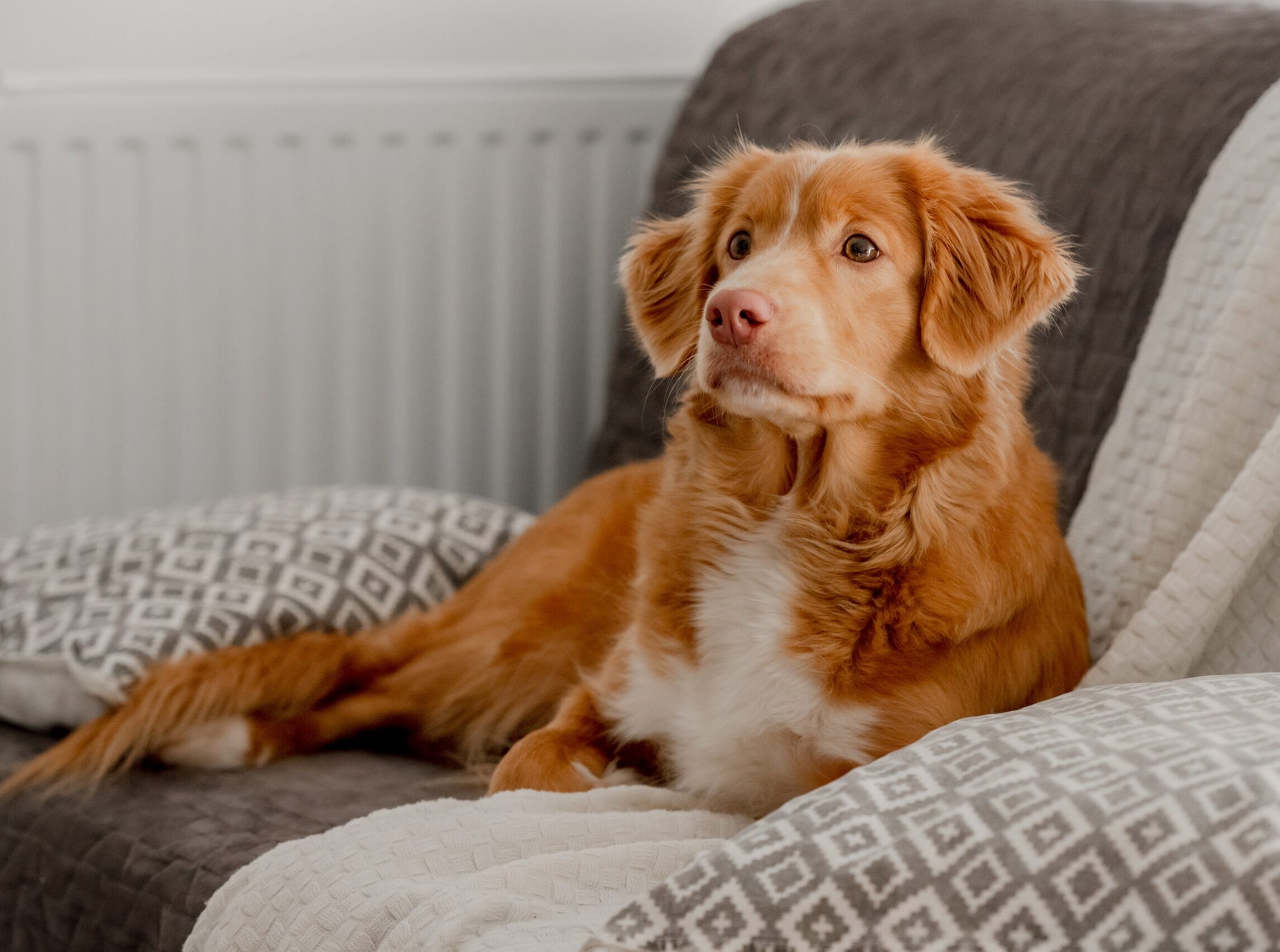
When your furry friend isn’t feeling their best, it’s natural to be concerned. Diarrhea in dogs is a common issue that can arise due to various reasons. As a compassionate pet owner, you want to ensure your dog’s comfort and health, and knowing how to manage digestive upsets effectively is crucial. This article will guide you through understanding the causes of dog diarrhea and provide practical solutions to help firm up your dog’s stool naturally.
Common Causes of Dig Diarrhea
Diarrhea can be caused by a variety of factors, ranging from dietary changes to more serious health issues. Understanding these causes can help you better address the issue and determine when professional help is needed.
- Eating Something They Shouldn’t
Dogs are naturally curious creatures that explore their world using their mouths. This often means they ingest things they shouldn’t, ranging from spoiled food to foreign objects. When a dog consumes something inappropriate, their digestive system can become irritated, leading to diarrhea. Preventing access to trash or harmful substances can mitigate this risk.
- Food Sensitivities or Allergies
Some dogs develop sensitivities or allergies to specific ingredients within their diet. Common culprits include grains, certain proteins, or additives found in commercial dog foods. These intolerances can manifest as digestive disturbances, including diarrhea. Observing your dog’s reactions to different foods and consulting with a vet can help identify and eliminate problematic ingredients.
- Infections
Infections caused by bacteria, viruses, or parasites such as worms are frequent causes of diarrhea in dogs. Contaminated water, food, or exposure to other animals can introduce these pathogens to your pet’s system. Regular veterinary check-ups and preventive measures like vaccinations and deworming can significantly reduce the risk of these infections.
- Stress or Environmental Changes
Changes in a dog’s environment or routine can lead to stress, which in turn affects their digestive system. Events like moving to a new home, introducing a new pet, or extended separation from owners can trigger anxiety-induced diarrhea. Creating a stable environment and using calming aids can help manage stress-related digestive issues.
- Chronic Health Conditions
Chronic illnesses such as inflammatory bowel disease, pancreatitis, or thyroid disorders can cause recurrent diarrhea. These conditions often require long-term management and a tailored approach to diet and medication. Regular veterinary monitoring is crucial to keeping these health issues under control.
Understanding the cause of your dog’s diarrhea is the first step in addressing the issue. If diarrhea persists for more than a day or is accompanied by other symptoms like vomiting or lethargy, consulting your veterinarian is essential.
Natural Remedies for Hard Stool
Addressing your dog’s diarrhea involves careful management of their diet and environment. Here are several strategies to help firm up their stools naturally.
Gradually Transition Foods
Abrupt changes in a dog’s diet can lead to digestive upset. If you’re considering introducing a new food to your pet’s routine, it should be done gradually. Begin by mixing a small portion of the new food with their current diet, increasing the new food’s amount over a week. This slow transition allows your dog’s digestive system to adjust without causing further upset.
Fiber
Fiber plays a crucial role in firming up loose stools. Including high-fiber foods in your dog’s diet can help regulate their bowel movements.
- Pumpkin: is high fiber content helps absorb excess water in the stool, making it firmer. Ensure you use plain pumpkin, not the spiced pie filling, to avoid added sugars and spices that could worsen diarrhea.
- Sweet Potatoes: rich in fiber and easily digestible, cooked sweet potatoes are another excellent option for firming up stool. They can be served plain or mixed into your dog’s regular food to enhance fiber content.
- Oat Bran or Rice: adding a small amount of oat bran or cooked rice to your dog’s meals can provide additional fiber. These ingredients help bulk up the stool and regulate the digestive process, making bowel movements more consistent.
Probiotics
Probiotics are beneficial bacteria that support a healthy gut flora. They can be particularly helpful in managing diarrhea by restoring balance to the digestive system.
There are many probiotic supplements designed specifically for dogs. These supplements contain strains of bacteria beneficial to canine digestive health and can be easily added to their food.
If your dog isn’t lactose intolerant, plain yogurt can be a natural source of probiotics. Feeding a small amount of plain yogurt can help introduce beneficial bacteria into your dog’s digestive system, aiding in stool regulation.
Maintain Hydration
Maintaining adequate hydration is vital, especially during episodes of diarrhea. Dehydration can exacerbate your dog’s condition and lead to further health complications.
Ensure your dog has constant access to fresh, clean water. Encouraging regular water intake helps replace fluids lost during diarrhea and supports overall health.
In cases of severe dehydration, an electrolyte solution designed for pets can be beneficial. These solutions help restore essential electrolytes and fluids, promoting recovery.
Bland Diets
A temporary bland diet can soothe your dog’s digestive system, allowing it to recover from irritation.
Removing the skin and bones from the chicken and cooking it thoroughly with rice provides a balanced, gentle meal that can help firm up stools.
Nutrient-rich and soothing, bone broth can be added to your dog’s diet. It provides hydration and essential nutrients while being gentle on the digestive system.
Choose the Right Dog Food
Choosing the right dog food is crucial for maintaining healthy digestion and preventing future episodes of diarrhea.
Limited ingredient diets minimize the risk of food allergies and intolerances by using fewer ingredients. These diets focus on quality over quantity, often featuring a single protein source and limited carbohydrates, making them easier on a sensitive stomach.
Proteins like chicken, lamb, or fish are gentle on the stomach and easier for dogs to digest. These proteins are typically included in foods formulated for dogs with digestive issues, helping reduce the occurrence of diarrhea.
Foods containing prebiotics support healthy gut bacteria by providing them with the nutrients they need to thrive. This promotes a balanced digestive system and can help prevent soft stools in the future.
Consult your veterinarian for specific dietary recommendations tailored to your dog’s needs.
Using Stool Hardeners Safely
In some cases, stool hardeners or supplements can be used to help manage chronic diarrhea. However, these should only be used under veterinary guidance. Your vet can recommend products that are safe and effective for your pet.
Stool hardeners are products designed to absorb excess water in the stool, making it firmer. They often contain ingredients like psyllium husk or kaolin, which aid in stool consistency.
Using stool hardeners without professional advice can be risky. Some products may not be suitable for all dogs, especially those with underlying health conditions. Always consult your vet to ensure the chosen product is appropriate for your pet.
Once a stool hardener is introduced, monitoring your dog’s response is crucial. Keep an eye on their stool consistency and overall health and report any adverse reactions to your veterinarian promptly.
While occasional diarrhea can be managed at home, certain signs indicate a need for professional help.
When to Contact Your Doctor
If diarrhea lasts more than 24-48 hours, it’s essential to consult your vet. Prolonged diarrhea can lead to dehydration and other complications, requiring medical intervention.
The presence of blood in your dog’s stool is a serious concern. It can indicate various health issues, from infections to more severe conditions like gastrointestinal bleeding, and requires immediate veterinary attention.
Diarrhea accompanied by vomiting increases the risk of dehydration and can signal a more severe underlying problem. Prompt veterinary care is essential to address both symptoms and their root cause.
If your dog shows signs of lethargy or a decreased appetite alongside diarrhea, it may indicate a more serious health issue. These symptoms warrant a thorough evaluation by your vet to determine the underlying cause.
Conclusion
Your dog’s digestive health is a vital component of their overall well-being. By understanding the causes of diarrhea and implementing natural remedies, you can help your pet feel better sooner. Always remember to consult your veterinarian if you’re unsure about your dog’s health or if symptoms persist. With the right care and attention, your furry friend will be back to their playful self in no time.
Empowering yourself with knowledge about your dog’s health issues enables you to make informed decisions. Understanding potential causes and remedies for diarrhea equips you to act swiftly and appropriately when faced with digestive upsets.
Working in partnership with your vet ensures that your dog receives the best care possible. Regular check-ups and open communication with your veterinarian can prevent minor issues from becoming major health concerns.
Your dedication to your pet’s health reflects the kindness and compassion they deserve. Providing attentive care and addressing health concerns promptly enhances their quality of life and strengthens the bond you share.
Meet the Doctor!
If you live in the Chandler, Arizona area visit Dr. Monique Fletcher, DVM and Owner of CityVet | Chandler, author of this blog. Book an appointment with Dr. Fletcher now!
Call or visit us at CityVet to book your appointment.