
Training a kitten can be a rewarding experience that strengthens the bond between you and your feline friend. With the right approach, patience, and understanding, you can teach your kitten essential skills that will help them grow into a well-behaved adult cat. This in-depth guide will provide you with practical tips and insights on how to train your kitten effectively.
Understanding Kitten Behavior
Before diving into training, it’s important to understand some basic aspects of kitten behavior. Kittens are naturally curious, playful, and energetic. They learn about their environment through exploration and play, which are essential for their cognitive and physical development. Recognizing these characteristics can help you tailor your training approach to suit their natural instincts.
Kittens, like children, have a strong capacity for learning, especially when they’re young. While they may not respond to commands like dogs, kittens can certainly be trained to follow rules and adopt good habits. The key is consistency and positive reinforcement. With this foundation in mind, you can begin shaping behaviors in a way that suits your kitten’s natural tendencies.
Using Positive Reinforcement to Train Your Kitten
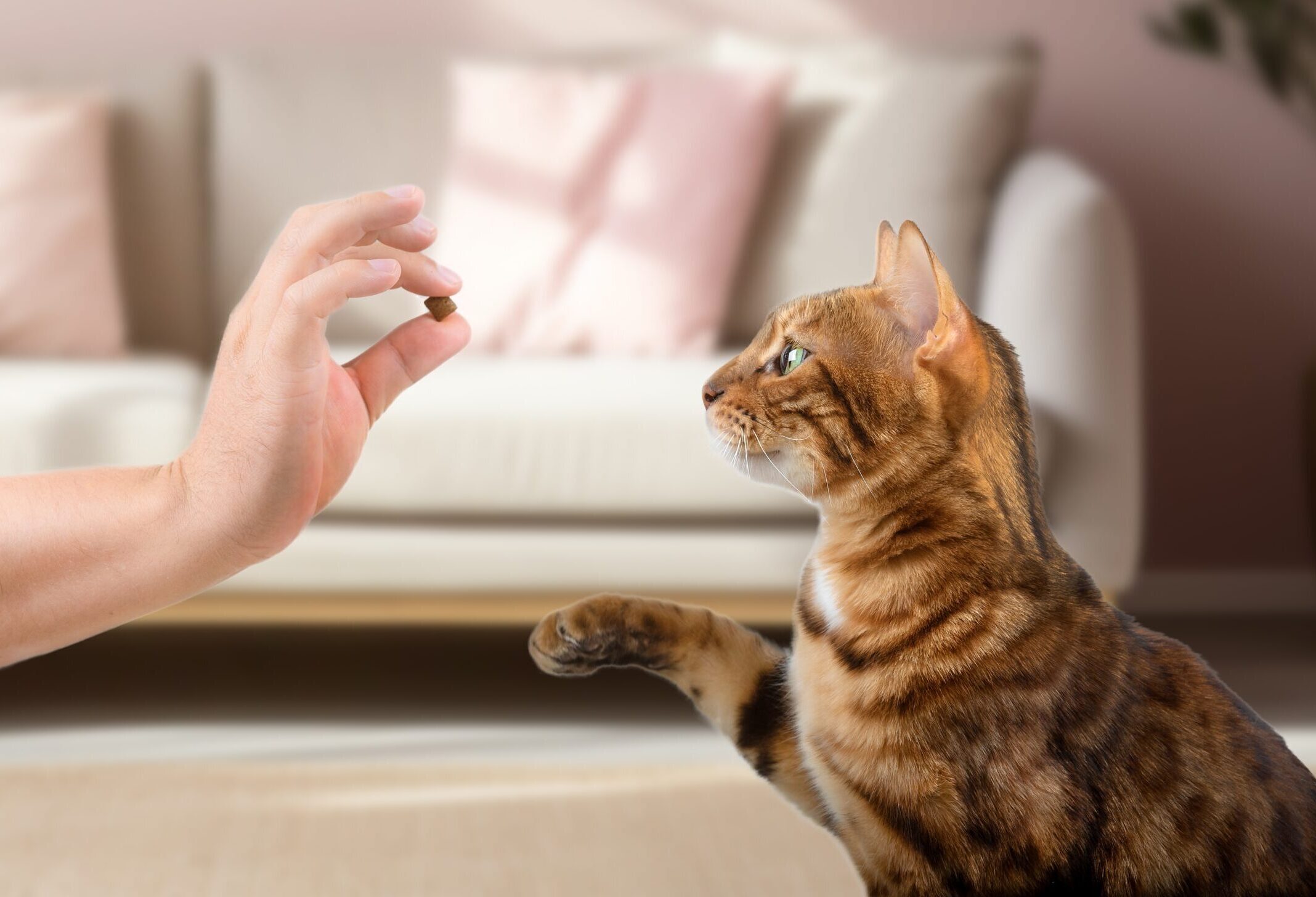
Once you understand how your kitten learns, you can put positive reinforcement into practice. Reward desired behaviors with treats, praise, play, or petting. This encourages them to repeat those behaviors. Keep in mind that consistency is key, so reinforce positive behaviors consistently to help your kitten understand expectations. Training your kitten will take time, but celebrate the small successes along the way and remain patient.
Training is not just about teaching commands; it’s also about building a strong, trusting relationship with your kitten. Through training, you can understand each other better, creating a harmonious living environment.
Skill Training
With a strong training foundation, you can move into teaching basic skills. While kittens may not perform tricks like dogs, teaching them basic commands can enhance their safety and your control over their environment. Two key skills to teach your kitten are “come” and “no.”
To teach the “come” command, use treats or toys to encourage your kitten to come to you. Call their name followed by “come,” and reward them with a treat or affection when they respond.
To discourage unwanted behavior, such as scratching furniture, use a firm “no” and redirect your kitten to a scratching post. Positive reinforcement when they use the post is crucial for forming the connection with the desired behavior.
Once your kitten is grasping basic commands, it’s time to lay another essential foundation: litter box habits.
Litter Box Training
One of the first and most crucial lessons for a kitten is litter box training. Fortunately, kittens are naturally inclined to use a litter box, but you can help them get started by:
- Choosing the Right Litter Box: Ensure the box is shallow enough for your kitten to climb in and out of easily.
- Picking the Right Place: Place the litter box in a quiet, easily accessible area. Avoid high-traffic zones or noisy areas that may discourage use.
- Introducing the Box: Help your kitten find their box by gently placing them in it after meals and playtime. If they start using it, offer gentle praise.
With the basics covered, your next focus should be enrichment, which is an essential part of preventing unwanted behaviors.
How Play and Enrichment Affect Your Kitten’s Behavior
As your kitten becomes more comfortable in their environment, play becomes a powerful tool for shaping behavior. Engaging your kitten in regular play sessions provides mental and physical enrichment, reducing unwanted behaviors born out of boredom.
Interactive toys that mimic prey behavior are perfect for stimulating your kitten’s hunting instincts. Opt for toys like feather wands or laser pointers to trigger natural stalking and pouncing behaviors. Be sure to set aside time each day for interactive play to help expend their energy and strengthen your bond.
This daily interaction with novel toys, new people, and unfamiliar situations helps make socialization much smoother.
How to Socialize Your Kitten
Along with basic training, socialization teaches your kitten how to navigate the world around them. Exposing your kitten to different people, pets, sounds, and environments helps them develop confidence and adaptability.
Start slowly by introducing one new experience at a time. This prevents overwhelm and ensures every interaction stays positive. Use treats, praise, and gentle handling to reinforce that new situations are safe and enjoyable.
Even with positive experiences, some kittens still show signs of fear or uncertainty, so knowing how to handle those moments is important.
How to Handle Fear and Anxiety in Kittens
Kittens may experience fear or anxiety in new situations. Patience and gradual exposure are key to helping them adjust, especially during the critical socialization period.
Provide a comfortable, quiet area where your kitten can retreat if they feel overwhelmed, and be sure to always approach your kitten calmly and softly. Sudden movements or loud noises can be frightening. When your kitten feels safe, they’re better able to learn, explore, and interact appropriately. This same principle applies when managing instinctual behaviors like biting and scratching.
How to Keep Your Kitten from Biting and Scratching
Kittens often bite and scratch during play. These behaviors are natural but need to be managed to prevent injury. If your kitten bites or scratches, redirect their attention to toys or scratching posts. Avoid using your hands for rough play, as this can unintentionally reinforce the behavior.
With consistent redirection and plenty of appropriate outlets for their energy, your kitten will learn acceptable ways to express their instincts.
Nurture Good Behavior from the Start
Training your kitten is an investment in their future well-being and your relationship with them. By understanding their natural behaviors, employing positive reinforcement, and being patient and consistent, you can effectively train your kitten to be a well-behaved and happy member of your family. Remember, the journey may take time, but the rewards of a well-trained and loving pet are immeasurable.
By following these essential tips, you can ensure that your kitten grows into a confident, sociable, and well-mannered adult cat. Through kindness, understanding, and a structured approach, training can be a fulfilling experience for both you and your kitten.
Meet the Doctor!
If you live in the Charlotte, North Carolina area visit Dr. Tylanda Johnson, DVM and Owner of CityVet | Lower South End, author of this blog. Book an appointment with Dr. Johnson now!
Call or visit us at CityVet to book your appointment.