
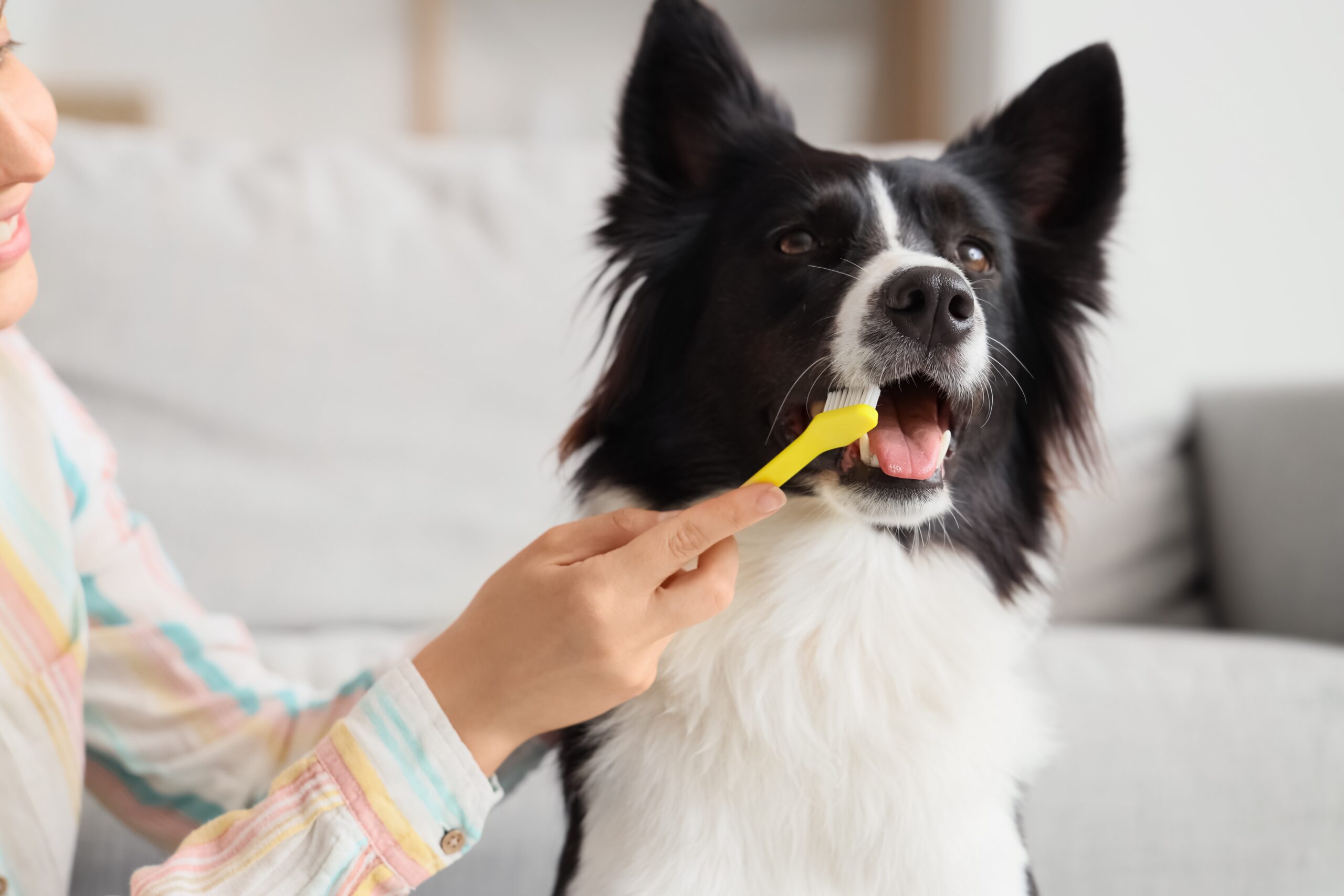
Just like people, dogs require regular dental care to maintain healthy teeth and gums. Poor dental hygiene can result in bad breath, which, while seemingly minor, can be a sign of underlying health problems. Dental problems in dogs can also lead to pain, infection, and even affect their internal organs if left untreated. Addressing dental health is not just about avoiding bad breath but about preventing severe health issues that can impact your dog’s quality of life.
Why Teeth Cleaning for Dogs Is Important
Professional teeth cleaning for dogs performed by a veterinarian is important for several reasons:
Prevention of Periodontal Disease
This is the most common dental problem in dogs. It begins with plaque buildup that hardens into tartar, leading to gum inflammation and, eventually, tooth loss and infection. Without regular dog teeth cleaning, these conditions can escalate quickly, causing chronic pain and discomfort for your pet. Moreover, advanced periodontal disease can require invasive treatments, which can be avoided with routine care.
Overall Health
Oral health is connected to overall health. Bacteria from periodontal disease can enter the bloodstream, potentially affecting the heart, liver, and kidneys. This systemic impact underscores the importance of maintaining oral hygiene as part of a holistic approach to your dog’s health. Regular dental care can reduce the risk of serious illnesses that are often challenging and expensive to treat.
Pain Reduction
Dental issues can cause significant pain, impacting your dog’s ability to eat and their overall quality of life. Dogs, by nature, tend to hide discomfort, meaning dental pain can go unnoticed until it severely impacts their behavior and appetite. Regular dental check-ups and cleanings can prevent this pain, ensuring your dog remains comfortable and active.
How Often Should Dogs Get Dental Care?
The frequency of dental cleanings depends on several factors, including your dog’s age, breed, diet, and at-home dental care routine. However, a general guideline is as follows:
Daily Brushing
Ideally, you should brush your dog’s teeth daily. Regular brushing helps prevent plaque buildup and supports good oral hygiene. If daily brushing is not feasible, aim for at least three times a week. Consistency is key, and establishing a routine can make brushing a stress-free experience for both you and your dog. Starting when your dog is young can help them become accustomed to the process, making it easier as they age.
Professional Annual Cleanings
Professional teeth cleanings should be conducted by a veterinarian. Most dogs should have a professional dental cleaning once a year, but some may require more frequent cleanings due to specific health needs. Your veterinarian can provide a tailored recommendation based on your dog’s health. These cleanings are thorough, addressing areas that are difficult to manage with at-home care alone, such as below the gumline. Veterinarians can also identify early signs of dental disease, allowing for prompt treatment and management.
Is Dental Cleaning Safe for Dogs?
When performed by a licensed veterinarian, dental cleaning is generally safe. Here’s what you should know:
Anesthesia Use
Professional dental cleanings require anesthesia to ensure the procedure is thorough and stress-free for your pet. Anesthesia allows the veterinarian to clean below the gumline, where up to 60% of the tooth structure lies. While there are risks associated with anesthesia, these are minimized by conducting pre-anesthetic blood work and monitoring your pet throughout the procedure. Veterinarians are trained to manage anesthesia safely, ensuring that the benefits of the procedure significantly outweigh the risks.
Veterinary Monitoring
During the cleaning, your pet will be closely monitored to ensure their safety. Veterinary teams are trained to manage any complications that may arise, making the process as safe as possible for your dog. This includes monitoring vital signs and having emergency protocols in place. The use of advanced equipment and techniques ensures that the procedure is both effective and minimally invasive, reducing recovery time for your pet.
Benefits of Regular Dental Cleanings for Dogs
The benefits of regular dental cleanings for your dog far outweigh the risks involved. Here’s why:
Improved Overall Health and Longevity
By preventing periodontal disease and other dental problems, regular cleanings contribute to your dog’s overall health and longevity. Healthy teeth and gums enable your dog to chew, eat, and swallow without pain or difficulty. Additionally, preventing dental disease can reduce the incidence of other health problems, such as tooth-root abscesses, oronasal fistulas, or heart disease, ensuring a longer, healthier life for your pet.
Better Quality of Life
Dogs with good oral health experience less pain, eat better, and enjoy a higher quality of life. Dental cleanings can help ensure your dog remains comfortable and healthy. A pain-free mouth allows your dog to enjoy their meals, play with their favorite toys, and engage with their environment without discomfort. Ensuring your dog maintains good oral health is a loving commitment to their happiness and vitality.
At-Home Dental Care Tips for Dogs
In addition to professional teeth cleanings, there are several ways you can support your dog’s dental health at home:
Regular Tooth Brushing
Use a dog-specific toothbrush and toothpaste to brush your dog’s teeth regularly. Human toothpaste can be harmful to dogs, so always choose a product designed for pets. Beginning with brief sessions can assist your dog in adapting to the feeling. Rewarding them with treats or affection can make the experience positive, helping to establish a routine.
Dental Chews and Toys
Dental chews and toys can help reduce plaque and tartar buildup. They also provide mental stimulation and satisfy your dog’s natural urge to chew. These products are designed to be safe and effective, offering a fun way to support dental health. Chews and toys can be an excellent supplement to brushing, particularly for dogs who are resistant to having their teeth brushed.
Routine Vet Visits
Routine veterinary visits are important for monitoring your dog’s dental health and addressing any concerns early on. Your veterinarian can provide guidance and recommend products that suit your dog’s needs. These check-ups are an opportunity to discuss any changes in your dog’s behavior or health that may indicate dental issues. Early intervention can prevent minor problems from becoming major health concerns.
Bringing Your Dog’s Best Smile Forward
In conclusion, dog dental cleaning is a vital part of maintaining your pet’s health and well-being. While it may seem daunting or unnecessary to some, the benefits of regular dental care are clear. By investing in your dog’s dental health, you’re ensuring they live a long, healthy, and happy life. Remember, a healthy mouth leads to a healthy body, so take the necessary steps to care for your dog’s teeth today. Prioritizing dental care reflects a commitment to your pet’s overall well-being, ensuring many years of companionship and joy.
Meet the Doctor!
If you live in the Waxhaw, North Carolina area, visit Dr. Sandra Welsh, DVM and Owner of CityVet | Marvin, author of this blog. Book an appointment with Dr. Welsh now!
Call or visit us at CityVet to book your appointment.