
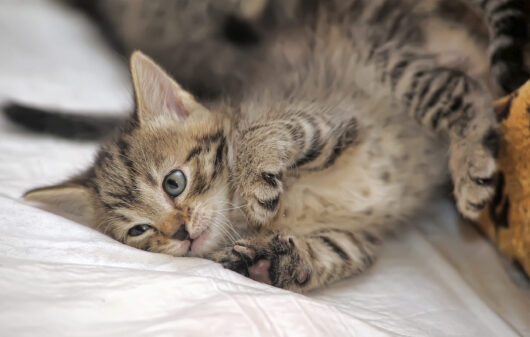
Kneading is a rhythmic pushing motion made by cats, alternating their front paws against a soft surface. This behavior is often likened to “making biscuits” because it resembles the kneading action of dough preparation.
Observing a cat knead, you might notice:
- Their eyes may be half-closed.
- Their body is relaxed.
- A gentle purr resonates as they become lost in the moment.
While kneading, some cats also bite or hold the blanket in their mouth, adding another layer of curiosity to this behavior. This combination of actions suggests a deep-rooted instinctual pattern, one that speaks volumes about their emotional state and evolutionary history.
Why Cats Knead
Kneading is an instinctive behavior that begins in kittenhood. When nursing, kittens knead their mother’s belly to stimulate milk flow. This comforting action often carries into adulthood, even when the cat is no longer nursing.
- The act of kneading is embedded in a cat’s developmental stages, serving as a link to their earliest experiences of warmth and nourishment.
- As they grow, this behavior transforms into a multifaceted expression of comfort and security, reminding them of the bond they shared with their mother.
Cats may knead as a way to create a comfortable sleeping area. This behavior mimics their wild ancestors, who would knead grass or leaves to make a soft bed. In the wild, this action not only provided a cozy resting place but also helped to flatten tall grasses, signaling to others that the area was claimed. The scent-marking glands in their paws also release pheromones, marking the area as theirs and providing a sense of security. This territorial marking reinforces their sense of ownership and control over their environment, making them feel more at ease.
Kneading can be a sign of contentment and affection. When your cat kneads you or a blanket, it’s a way of showing that they feel safe and happy.
- Often accompanied by purring
- Indicating they are in a relaxed state
- The act is a personal gesture, akin to a hug or a gentle touch
- Expressing their trust and love, enhancing the human-feline relationship
Why Some Cats Bite Blankets While Kneading
Some cats take kneading a step further by biting or holding the blanket in their mouths. This behavior may be a way of seeking comfort, similar to a child sucking their thumb. The texture of the blanket may remind them of their mother’s fur, providing a soothing sensation. The tactile stimulation combined with the comforting scent can transport them back to the safety and warmth of their early days, offering a form of emotional reassurance.
Cats may also engage in this behavior as a form of stress relief. If your cat is feeling anxious or overwhelmed, kneading and biting a blanket can offer a calming effect. It’s important to observe your cat’s overall behavior to determine if stress might be a factor. By identifying stressors in their environment, such as changes in routine or the presence of unfamiliar guests, you can better address their needs and mitigate anxiety.
In addition to comfort, biting the blanket may be a way for your cat to mark its territory. Cats have scent glands in their mouths, and biting the blanket can transfer their scent, signaling ownership and making them feel more secure. This behavior is a subtle yet powerful way of communicating with other animals, asserting their presence and establishing boundaries within their living space.
Why can kneading and biting be a concern?
In most cases, kneading and biting blankets are normal, harmless behaviors. These actions are generally an extension of their natural instincts and do not typically pose any cause for concern. However, if your cat becomes overly aggressive or destructive during this activity, it might be worth consulting with a veterinarian to rule out any underlying issues. Monitoring their behavior can help you distinguish between playful antics and potential signs of discomfort or distress.
How To Support Your Cat
Keep an eye on your cat’s behavior to ensure there are no sudden changes. If your cat starts kneading and biting excessively or shows signs of distress, it may be worth investigating further. Changes in behavior can sometimes indicate health problems or emotional imbalances, so staying vigilant can help you catch potential issues early. By maintaining awareness of your cat’s habits, you can better support their well-being and address any concerns proactively.
Offering your cat alternative items to knead and bite can help manage this behavior, such as:
- Soft toys
- Cat beds
- Designated blankets
These items can serve as appropriate outlets for your cat’s instincts. By providing a variety of textures and materials, you can engage their senses and keep them entertained, reducing the likelihood of them targeting inappropriate items. This not only satisfies their natural urges but also enriches their environment, contributing to their overall happiness.
Ensure your cat has a stress-free environment with plenty of places to hide, climb, and explore. Providing a safe and comfortable space can reduce anxiety and decrease the need for self-soothing behaviors. Consider introducing elements like scratching posts, hideaways, and interactive toys to keep them stimulated and content. A well-organized environment can play a significant role in promoting your cat’s emotional and physical health.
Regular veterinary check-ups are essential to ensure your cat’s health and well-being. These visits can help detect any potential health issues early and provide guidance on managing behaviors like kneading and biting. If you’re concerned about your cat’s kneading and biting behavior, discussing it with your veterinarian can provide peace of mind and guidance. They can offer tailored advice and recommend strategies to support your cat’s needs, ensuring they lead a healthy and fulfilling life.
Conclusion
Understanding your cat’s kneading and biting behavior is key to fostering a harmonious relationship with your feline friend. By recognizing these actions as instinctual and comforting, you can better cater to your cat’s needs and ensure their happiness. Embracing these behaviors as natural expressions of your cat’s personality allows you to connect with them on a deeper level. Remember, while these behaviors are typically normal, staying observant and providing a supportive environment will help your cat thrive.
With compassionate care and informed decision-making, you can navigate your cat’s unique behaviors and contribute to their overall well-being. By integrating these insights into your pet care routine, you will not only strengthen your bond with your cat but also enhance their quality of life. As you continue to learn and adapt to their needs, you’ll create a nurturing environment where your cat feels loved and secure, allowing them to flourish as a cherished member of your family.
Meet the Doctor!
If you live in the Dallas-Fort Worth area visit Dr. Tate, Owner of CityVet | Preston Hollow and Vice President of Clinical Development, author of this blog. Book an appointment with Dr. Tate now!
Call or visit us at CityVet to book your appointment.