
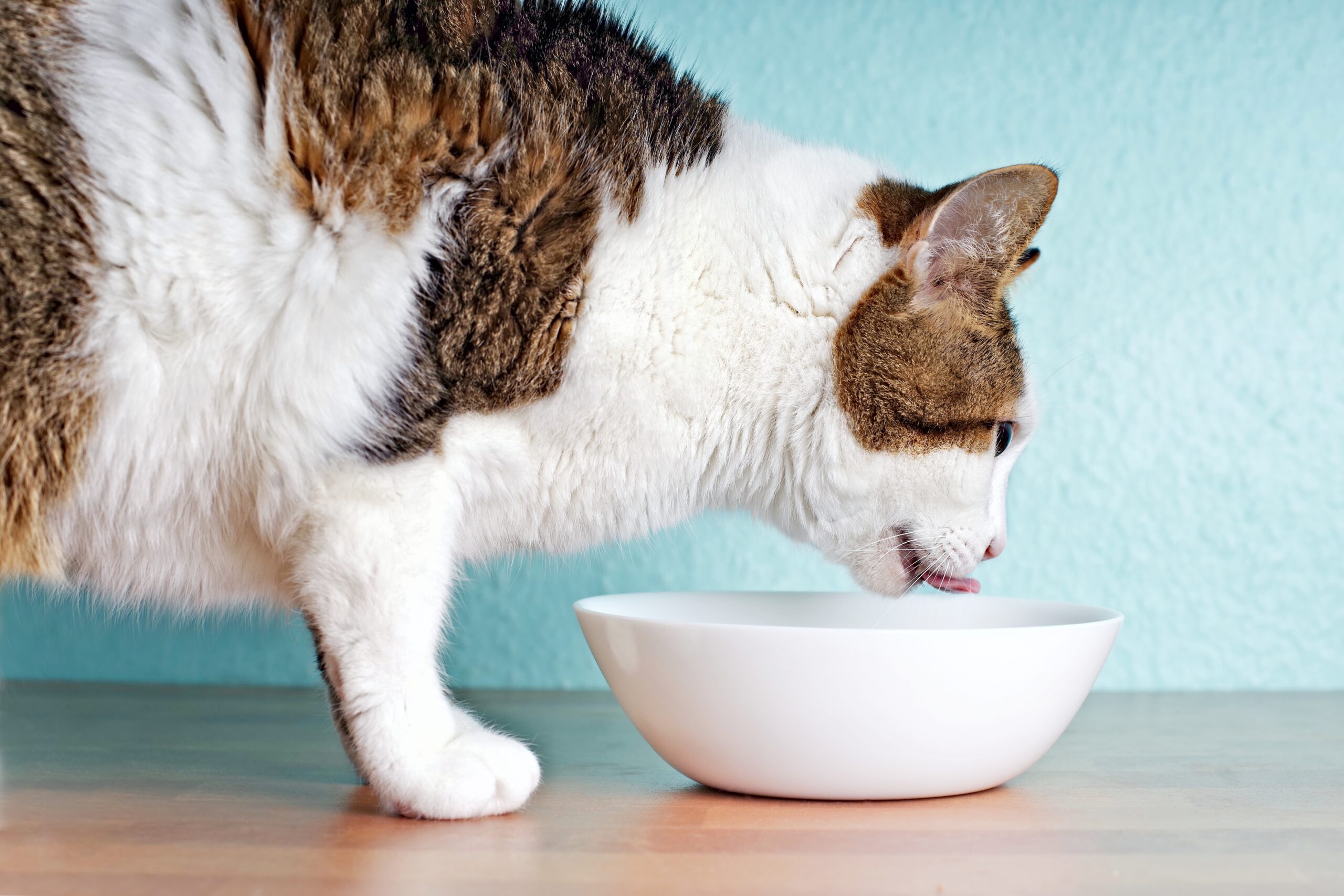
Why is My Cat Drinking Lots of Water?
Before addressing why your cat may be drinking more water, it’s crucial to understand what normal hydration looks like for felines. Cats inherently obtain most of their hydration through their diet, particularly if they consume wet food. Typically, a cat should drink about 3.5 to 4.5 ounces of water per 5 pounds of body weight daily. This amount can fluctuate based on various factors, including diet, environment, and activity levels.
Factors That Affect Your Cat’s Water Intake
Several elements can significantly impact your cat’s water consumption:
- Diet: Cats on a dry food diet tend to drink more water compared to those consuming wet food, which naturally contains higher moisture content. Therefore, a dry diet necessitates increased water intake to maintain proper hydration levels.
- Environment: Environmental conditions, such as hot weather or living in a dry home, can lead to an increase in a cat’s thirst. Just like humans, cats will drink more to compensate for the moisture lost in warmer temperatures or arid environments.
- Activity Level: Cats that are more active or playful may require more water to stay adequately hydrated. The more your cat moves, the more water they may need to replenish any lost fluids.
Common Reasons for Increased Thirst
Noticing your cat drinking more water than usual might be due to several potential causes. Identifying these can be the first step in addressing any health concerns and ensuring your pet’s well-being.
- Diabetes Mellitus: Often found in middle-aged and older cats, diabetes mellitus can cause increased thirst and urination. Accompanied by symptoms such as weight loss and heightened appetite, this condition requires veterinary attention to manage effectively.
- Kidney Disease: Chronic kidney disease is common in older cats and leads to an increase in water consumption as the kidneys struggle to perform their filtering role. Regular vet check-ups can help catch this issue early.
- Hyperthyroidism: This condition results in the overproduction of thyroid hormones, causing an increased metabolism, which in turn leads to elevated thirst and urination. Monitoring your cat’s weight and energy levels can provide clues to this ailment.
- Urinary Tract Infections (UTIs): UTIs can prompt your cat to drink more water in an attempt to flush out the infection. Other symptoms may include frequent urination or discomfort while urinating indicated by straining.
- Stress or Anxiety: Cats are sensitive to changes in their environment, such as the introduction of a new pet or moving to a new home. These changes can trigger stress-induced drinking as a coping mechanism.
- Temperature and Humidity: Environmental factors such as hot or dry conditions can naturally increase your cat’s need for water. Ensuring your home maintains a comfortable temperature can help regulate your cat’s hydration needs.
Diet Changes and Water Intake
Switching your cat’s diet from wet to dry food can lead to noticeable changes in water consumption. Dry food lacks the moisture content found in wet food, prompting your cat to drink more to stay hydrated. Monitoring your cat during dietary transitions can help you assess whether their water intake is appropriate.
Increasing Water Intake
If your cat’s water intake has noticeably increased, it’s essential to act promptly. Here are some steps to consider:
Vigilance is key. Keep an eye on your cat’s behavior and observe any changes. Look for additional symptoms such as weight loss, alterations in appetite, or increased urination. These observations can provide valuable information to your veterinarian, aiding in a more accurate diagnosis.
When in doubt, it’s always best to consult your veterinarian if there are changes in your cat’s drinking habits. They can conduct tests to rule out medical conditions like diabetes, kidney disease, or hyperthyroidism. Early diagnosis often leads to more effective management of potential health issues.
Ensure your cat has constant access to clean, fresh water. Cats are more likely to drink if the water is fresh, so consider refreshing it at least once a day. A clean water source encourages healthy hydration habits and can be a simple yet effective way to support your cat’s health. Many cats enjoy drinking from running water such as the water faucet or a water fountain bowl.
If stress or anxiety might be a factor in your cat’s increased thirst, strive to create a calming atmosphere. Provide your cat with plenty of enriching activities and a safe space to retreat to. Ensure safe and easy access to water by avoiding placement in noisy rooms or hidden from sight. A stable and peaceful environment can significantly impact their overall well-being.
How to Encourage a Cat to Drink More Water
While excessive drinking can raise concerns, some cats may not drink enough. Here are several strategies to encourage your cat to consume more water:
Add More Water Sources
Place several water bowls throughout your home to give your cat easy access to water no matter where they are. Multiple sources can eliminate the inconvenience of traveling to a single location for hydration, promoting more frequent drinking.
Many cats prefer the taste and novelty of running water. A cat water fountain can be an excellent way to encourage your cat to drink more, as the movement and sound of flowing water can intrigue and attract them.
Add Flavor
To make water more enticing for your cat, consider adding a small amount of tuna juice or low-sodium chicken broth. These additions can enhance the flavor, making it more appealing for cats that are reluctant to drink plain water.
Add to Wet Food
Incorporating wet food into your cat’s diet can naturally increase their overall water intake. This is particularly beneficial for cats that are not fond of drinking plain water, as wet food provides additional moisture to support their hydration needs. Gravy type food toppers or commercial hydration supplements for cats are also good options.
Final Thoughts
Excessive drinking in cats can signal underlying health issues, but it is not always a cause for immediate alarm. Understanding your cat’s normal hydration needs and monitoring any changes in their behavior are crucial. Always consult your veterinarian if you have concerns about your cat’s drinking habits. By staying informed and proactive, you can ensure your feline companion remains healthy and hydrated.
Your cat’s health is a priority, and with the right approach, you can address any issues that arise with confidence and care. Whether it involves consulting with a vet or adjusting their diet and environment, these steps are essential in maintaining your cat’s well-being.