
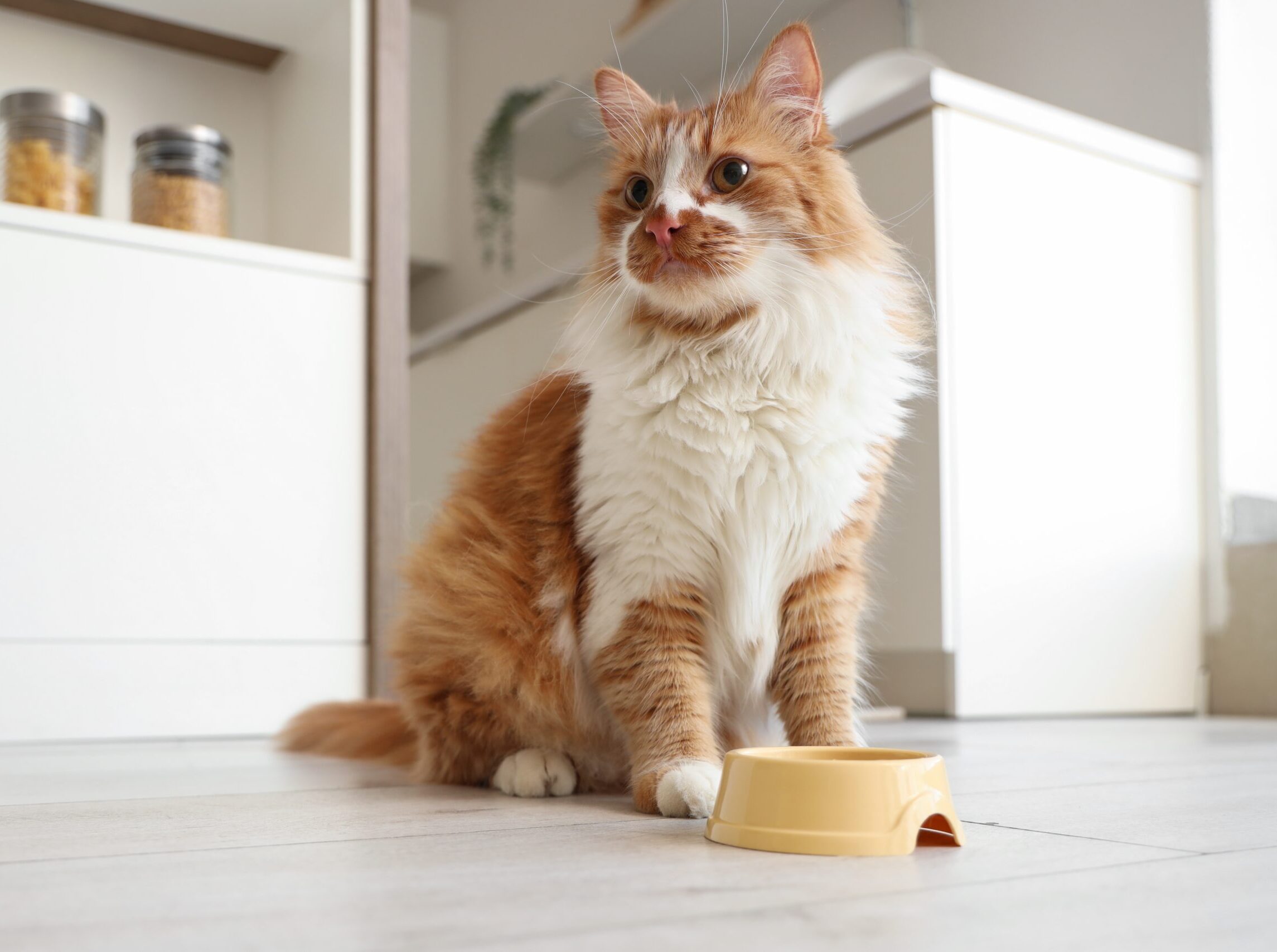
Cats are creatures of habit, and any deviation from their normal behavior can be unsettling for pet owners. When it comes to vomiting, it’s not just about cleaning up a mess; it’s about uncovering the underlying cause to prevent potential health issues. By delving into the reasons for your cat’s discomfort, you can better care for your furry friend and ensure their overall happiness. Let’s examine some common and not-so-common reasons your cat might be experiencing this problem.
Eating Too Quickly
One of the most common reasons cats vomit after eating is because they eat too quickly. This behavior can cause them to swallow a lot of air along with their food, leading to regurgitation. When a cat throws up undigested food shortly after eating, it’s often due to this rapid consumption.
Eating quickly is often seen in multi-cat households where competition for food can lead to gulping. This behavior is instinctual, stemming from their wild ancestors who had to eat quickly to avoid losing their meal to another predator. Additionally, stress or anxiety around feeding time can exacerbate this behavior, making it crucial to create a calm feeding environment.
Food Sensitivities or Allergies
Cats, like humans, can have food sensitivities or allergies. If your cat throws up after eating canned food or dry food consistently, it might be reacting to a specific ingredient. Common culprits include specific proteins or grains.
Identifying the offending ingredient can be challenging, as symptoms may not appear immediately after a meal. Keeping a food diary and noting any patterns can help pinpoint the problem. Moreover, consulting with a veterinarian can provide insights into potential allergens and guide you in selecting a diet that is both nutritious and safe for your cat.
Hairballs
Cats are self-groomers, and they often swallow fur in the process. Sometimes, this fur accumulates in their stomach, forming hairballs. When a cat vomits, it might be trying to expel these hairballs, which can often occur after a meal as the stomach contracts.
Hairballs are more common in long-haired breeds, but they can affect any cat. Regular grooming is essential to minimize the amount of fur your cat ingests. Additionally, special diets designed to reduce hairball formation can be beneficial, as they promote the passage of hair through the digestive system rather than allowing it to accumulate.
Sudden Diet Changes
A sudden change in your cat’s diet can upset their stomach, leading to vomiting. If you’ve recently switched cat foods, this could be the reason your cat is puking after eating.
Cats are creatures of habit, and abrupt dietary changes can be jarring to their digestive systems. It’s important to transition to new foods gradually to allow their system to adjust. Start by mixing a small amount of the new food with their current food, increasing the new food’s proportion slowly over a week or two to minimize digestive upset.
Underlying Medical Conditions
In some cases, vomiting can indicate a more serious medical condition. Issues such as gastrointestinal inflammation, infections, or even blockages can cause vomiting after meals. If your cat is consistently vomiting after eating, it’s crucial to consult with a veterinarian.
Beyond gastrointestinal issues, conditions such as kidney disease, liver problems, or even diabetes can manifest as vomiting. Only a veterinarian can accurately diagnose these issues through a combination of physical examination and diagnostic tests. Timely intervention can prevent complications and improve your cat’s quality of life.
Solutions and Prevention
Slow Down Eating
If your cat eats too quickly, try feeding smaller, more frequent meals throughout the day. You can also use a slow feeder bowl designed to make it more challenging for your cat to gulp down food quickly.
Introducing puzzle feeders can also be a beneficial way to engage your cat mentally while regulating their eating pace. These feeders dispense food in small portions, encouraging your cat to work for their meal and preventing rapid consumption. Additionally, placing obstacles like a clean rock in their food bowl can slow them down as they navigate around it to eat.
Addressing Food Sensitivities
Ensure that your cat’s diet is balanced and free from any known allergens. Regularly consulting with your veterinarian about your cat’s nutritional needs can help prevent issues related to food sensitivities. They can recommend diets tailored to your cat’s age, weight, and health conditions, ensuring they receive all necessary nutrients without the risk of adverse reactions. Monitoring their weight and overall health can also indicate whether their current diet is suitable.
Reducing Hairballs
To prevent hairballs, regularly brush your cat to reduce the amount of fur they ingest. There are also hairball-specific cat foods and treats that can help with this issue.
For long-haired breeds, daily brushing can significantly reduce the amount of loose fur. Investing in a good quality brush or grooming glove can make the process more effective and enjoyable for your cat. Additionally, supplements such as fish oil can improve coat health and reduce shedding, further minimizing hairball formation.
Transitioning Food Gradually
If you need to switch your cat’s food, do it gradually over a week. Mix a small amount of the new food with the old food, gradually increasing the amount of new food while decreasing the old.
This gradual transition helps prevent digestive upset and allows your cat’s palate to adjust to new flavors and textures. During this period, monitor your cat for any signs of discomfort or digestive issues, adjusting the transition pace if necessary. Providing a stable feeding routine can also ease the transition, as cats thrive on consistency.
Seeking Veterinary Advice
If your cat continues to vomit after eating despite these interventions, it’s essential to seek veterinary advice. A vet can perform diagnostic tests to identify any underlying health issues that may be causing the vomiting.
Veterinary consultations are invaluable for providing peace of mind and ensuring your cat receives appropriate care. Your veterinarian can suggest specific treatments or dietary adjustments based on their findings, addressing the root cause of the vomiting. Regular check-ups are also crucial for maintaining your cat’s overall health and catching potential issues early.
When to Be Concerned
Occasional vs. Frequent Vomiting
It’s important to differentiate between occasional vomiting and frequent vomiting. Occasional vomiting, such as once a month, may not be a cause for concern. However, if your cat vomits after every meal or multiple times a week, it’s time to seek professional help.
Frequent vomiting can lead to dehydration and malnutrition, making it crucial to address the issue promptly. Keeping a log of your cat’s vomiting episodes, including frequency and associated symptoms, can be helpful when consulting with a veterinarian. This information can provide valuable insights into potential patterns or triggers.
Additional Symptoms to Watch For
Be on the lookout for other symptoms that might accompany vomiting, such as lethargy, diarrhea, changes in appetite, or weight loss. These could indicate a more serious health problem that requires immediate veterinary attention.
Changes in behavior or physical condition can be subtle but significant indicators of underlying health issues. Pay attention to any alterations in your cat’s normal routine or demeanor, as these can be early signs of distress. Prompt veterinary intervention can prevent the progression of serious conditions and improve your cat’s prognosis.
Diagnostic Tests
A veterinarian may perform various diagnostic tests to determine the underlying cause of your cat’s vomiting. These tests might include blood tests, X-rays, or ultrasounds, which can help identify issues like infections, blockages, or organ dysfunction.
Advanced diagnostic tools provide a comprehensive view of your cat’s health, allowing for accurate diagnosis and targeted treatment. Depending on the findings, your veterinarian might recommend specific treatments or lifestyle adjustments to address the identified issues. Regular follow-ups ensure the effectiveness of the treatment plan and your cat’s continued well-being.
Conclusion
Understanding why your cat throws up after eating can help you take the necessary steps to ensure their health and comfort. While occasional vomiting is not uncommon in cats, frequent vomiting is a sign that something might be amiss. By identifying and addressing the potential causes, you can help your feline friend feel better and reduce the likelihood of future episodes.
Remember, when in doubt, consulting a veterinarian is always the best course of action. They can provide personalized advice and treatment options tailored to your cat’s specific needs. With the right care and attention, your cat can enjoy their meals without discomfort.
Being proactive about your cat’s health not only enhances their quality of life but also strengthens the bond between you and your pet. By staying informed and attentive to their needs, you can navigate any challenges together and ensure many happy, healthy years ahead.
Meet the Doctor!
If you live in the Lone Tree, Colorado area visit Dr. Jerell Guster, DVM and Owner of CityVet | Lone Tree, author of this blog. Book an appointment with Dr. Guster now!
Call or visit us at CityVet to book your appointment.