
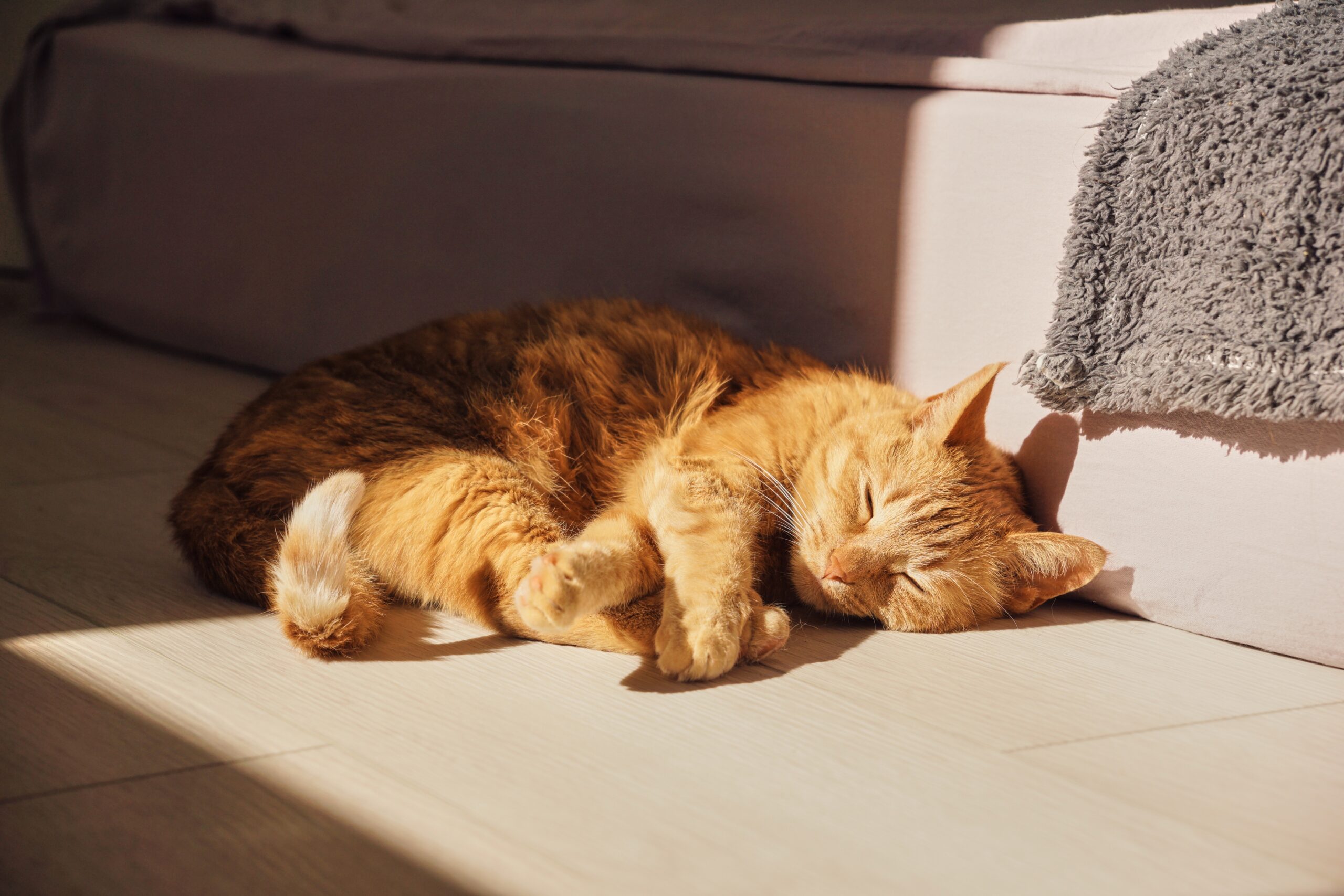
Understanding How Cats Regulate Body Temperature
Cats are fascinating creatures with unique ways of staying comfortable. Understanding how they regulate body temperature is crucial for their well-being.
Pet owners often wonder, “Do cats get hot?” The answer is yes, and knowing how to help them is vital.
Cats have a natural ability to handle heat, but they can still overheat. Recognizing the signs of discomfort is key to keeping them safe.
This guide will explore how cats manage heat and what temperatures they prefer. By learning these insights, you can ensure your feline friend stays happy and healthy.
Do Cats Get Hot? Understanding Feline Body Temperature
Cats have a remarkable biology that helps them manage their body heat. Despite this, they can indeed get hot, especially during warm months.
A cat’s body temperature typically ranges from 100.5°F to 102.5°F. This range is slightly higher than humans, indicating they thrive in warmer environments.
However, cats can overheat if exposed to extreme conditions. Their comfort level depends on several factors such as breed, age, and health status.
Here are key points about cats and heat:
- The normal cat temperature range is 100.5°F to 102.5°F.
- Cats prefer temperatures between 70°F and 80°F.
- Exposure to temperatures over 90°F can be dangerous.
Knowing these details helps in making informed choices about your cat’s environment. It ensures they remain comfortable, even when temperatures rise. Understanding how your cat experiences heat is essential in providing the best care.
What Is the Normal Cat Temperature Range?
A cat’s normal body temperature falls between 100.5°F and 102.5°F. This higher baseline allows cats to stay cozy and manage mild heat without distress.
Cats’ higher body temperature reflects their metabolic needs. It helps them remain agile and active, even in cooler weather. However, maintaining this range is crucial for their overall well-being.
To monitor your cat’s health effectively, consider these key points:
- Regularly check for signs of temperature discomfort.
- Pay attention to behavior changes indicating temperature stress.
- Consult a vet if you notice unusual signs of overheating.
Staying within the normal temperature range ensures your cat’s physical processes work smoothly. Understanding and recognizing this range enables you to provide a safe and comfortable environment for your feline friend.
How Do Cats Handle Heat?
Cats employ several strategies to manage heat efficiently. Their grooming habits play a crucial role, as licking their fur helps to cool their bodies when moisture evaporates.
Additionally, cats instinctively seek shaded and cooler spaces. This behavior reduces their exposure to direct sunlight, aiding in temperature regulation. You might find your cat lounging on tile floors or other cool surfaces during hot spells.
Even though cats handle heat, they have limits. Their sweat glands, which are located in their paw pads, are not highly effective for regulating body temperature like human sweating. Thus, it’s important to assist them during extreme heat given their limited ability to self-cool-down.
Consider these additional points for helping cats manage heat:
- Provide ample shade and airflow.
- Ensure fresh water is always available.
- Monitor for changes in behavior indicating overheating.
Understanding these behaviors helps you support your cat’s natural mechanisms, ensuring their well-being during hot weather.
How Hot Is Too Hot for Cats? Recognizing Dangerous Temperatures
Cats can enjoy warmth but face risks when temperatures climb too high. Temperatures above 90°F can become hazardous for them, particularly without adequate ventilation or cool areas to retreat to.
In extreme heat, cats may struggle to manage their body temperatures. Overheating can rapidly lead to serious health issues like heatstroke. Watching weather forecasts and monitoring indoor temperatures is crucial during hot spells.
Look out for signs indicating discomfort or danger:
- Panting or drooling excessively
- Red or dark pink gums and tongue
- Restlessness or lethargy
Ensuring your cat remains in a safe temperature zone is essential. Always provide access to cool environments, fresh water, and a shaded retreat. If conditions become uncomfortable for you, they’re likely unsuitable for your cat too.
Signs My Cat Is Too Hot: How to Tell If a Cat Is Overheated
Detecting overheating in cats early can prevent severe health problems. One primary sign is panting, unlike dogs, panting in cats is often a sign of serious distress or overheating.
Observe your cat’s behavior and physical state closely. Lethargy, seeking cool surfaces, or avoiding activity might indicate overheating.
Pay attention to the color of your cat’s gums. Darker than usual gums can signal an issue. Other symptoms to watch for include:
- Rapid or shallow breathing
- Excessive drooling or salivation
- Restlessness or confusion
Behavior changes can also provide clues. A cat that usually enjoys play but becomes inactive could be overheated. Taking swift action when noticing these signs can make a significant difference. Provide cool water, a fan, or air conditioning to help them recover from the heat stress.
Can Cats Overheat? Risks and Health Concerns
Cats can indeed overheat, and it poses significant health risks. Heatstroke, a serious condition, can occur when their body cannot cool down effectively.
When temperatures rise, cats may struggle to dissipate heat. This is especially true for those with thick coats or underlying health issues.
Common risks associated with overheating include:
- Heatstroke, which requires immediate medical attention
- Dehydration due to increased respiration and water loss
- Organ failure in severe cases
The dangers of overheating can be severe, but with vigilance, they are preventable. Watch your cat closely during hot weather and ensure they have access to cool, shaded areas. Keeping them well-hydrated is also crucial in maintaining their well-being.
Indoor Cats and Hot Weather: Keeping Your Cat Cool at Home
Indoor cats are not immune to the heat, especially during summer months. Without proper cooling methods, they might feel just as uncomfortable as outdoor felines.
To keep your indoor cat comfortable, ensure their environment remains cool. Air conditioning is ideal, but fans or open windows with secure screens can also help.
Consider these tips for keeping your cat cool indoors:
- Provide plenty of fresh, cold water throughout the day.
- Use fans to circulate air and reduce humidity.
- Offer cool surfaces, like tiles, for them to lounge on.
Monitor your cat’s behavior for any signs of heat stress. Lowering indoor temperatures is paramount, but providing a quiet, shaded retreat will make a significant difference. Your cat will appreciate the extra attention during hot weather, ensuring they stay safe and content.
Safe Temperature for Cats Outside: Outdoor Cat Safety Tips
When it comes to outdoor cats, safety is essential in warmer seasons. Cats love sunbathing, but extreme heat can pose risks.
It’s crucial to know what temperatures are safe for cats outside. Generally, the temperature should be under 90°F. Any higher, and your cat could be at risk of overheating.
Implement these tips to safeguard your outdoor cat:
- Ensure they have access to shaded areas at all times.
- Provide plenty of fresh drinking water outdoors.
- Avoid letting your cat out during peak sun hours.
Cats thrive best with options to escape the heat. By giving them shady retreats and staying mindful of the temperature, you can protect your beloved feline from summer’s scorching heat.
When to Seek Veterinary Help for Cat Overheating
Recognizing when to seek veterinary help is vital. Cats can quickly suffer from heatstroke, which needs urgent care. Be alert for symptoms that indicate serious overheating.
Consider contacting a vet if you see the following:
- Rapid, noisy breathing
- Vomiting or confusion
- A body temperature above 104°F
Timely intervention can save your cat’s life. Always err on the side of caution and consult your veterinarian when you notice these alarming symptoms. Quick action is the best response.
Empowering Pet Owners to Keep Cats Safe and Comfortable
Understanding how cats regulate their body temperature can help keep them safe. Awareness of environmental risks is crucial, especially in hot weather.
By recognizing the signs of overheating and offering a suitable environment, pet owners can ensure their cats’ well-being. With thoughtful care and timely interventions, cats can remain healthy and comfortable, even during the warmer months. Always prioritize your cat’s needs, and empower yourself with the knowledge to enhance their quality of life.
Meet the Doctor!
If you live in the Buckeye, Arizona area visit Dr. Amy Jager, DVM and Owner of CityVet | Verrado, author of this blog. Book an appointment with Dr. Jager now!
Call or visit us at CityVet to book your appointment.