
Signs of Heat Exhaustion in Dogs
Summer brings longer days, beach trips, and plenty of outdoor adventures. But as temperatures climb, a sunny day can quickly become dangerous for our furry companions. Many pet parents wonder, “Can a dog get heat exhaustion?” The answer is a resounding yes. Because dogs cannot sweat through their skin like people do, they rely primarily on panting to regulate their body temperature.
Understanding the early signs of heat exhaustion in dogs is crucial. If left unchecked, heat stress in dogs can quickly escalate into a life-threatening veterinary emergency.
What Does Heat Exhaustion Look Like in Dogs?
Recognizing dog symptoms of heat exhaustion early is your best defense against serious complications. So, what does heat exhaustion look like in dogs exactly? It typically begins with behavioral and physical changes that indicate your pet is struggling to stay cool.
You must be able to tell the difference between normal dog breathing vs. respiratory distress. While panting after a game of fetch is normal, excessive panting and drooling in heat is a major red flag. Keep an eye out for these canine heat exhaustion symptoms:
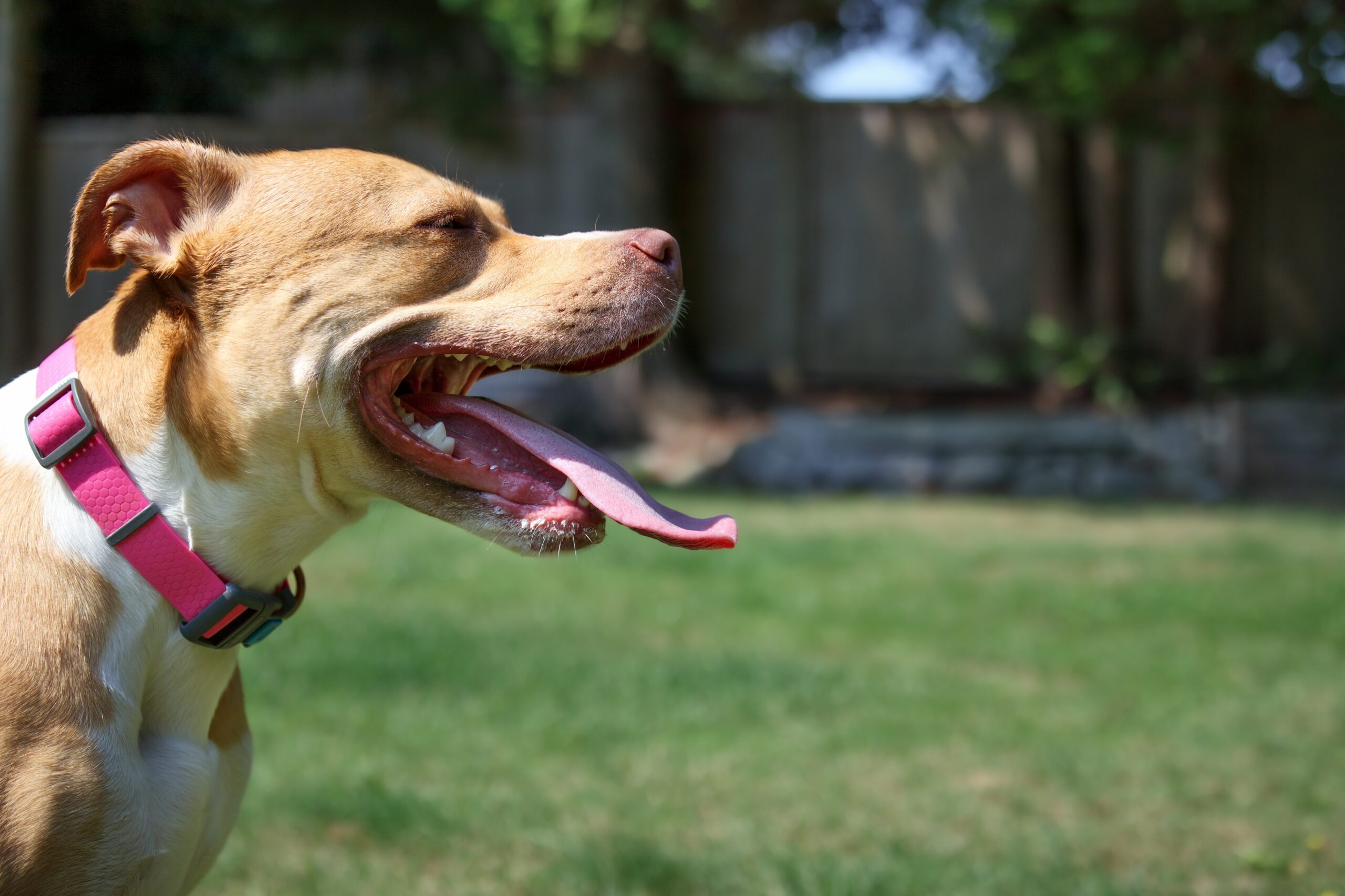
- Changes in the mouth: Take a look inside your dog’s mouth. An overheated dog tongue often appears excessively wide, long, and darker than usual. Furthermore, identifying bright red gums in dogs alongside a dark red tongue indicates poor oxygenation and severe overheating.
- Behavioral shifts: Watch for lethargy and lack of coordination after exercise. If your dog stumbles, seems confused, or refuses to walk, they are in danger.
- Physical distress: Glazed eyes and rapid heart rate are telltale signs that your dog’s cardiovascular system is working in overdrive to cool the body down.
Puppies are especially vulnerable to temperature changes. Puppy heatstroke symptoms mirror those of adult dogs but can set in much faster due to their smaller body mass and developing systems.
Heatstroke vs. Heat Exhaustion in Dogs
You might be asking yourself, “Can dogs have heatstroke?” Absolutely. When evaluating heat exhaustion vs. heatstroke in pets, it helps to view them as stages of the same dangerous condition. Heat exhaustion in dogs is the precursor. If the heat exhaustion is not resolved, it progresses to heatstroke in dogs.
To understand heatstroke vs. heat exhaustion in dogs, look at the body’s internal thermostat. Heat exhaustion means the body is struggling but still fighting to cool down. Heatstroke (sometimes referred to by pet owners as dog sunstroke) occurs when the body’s thermoregulation completely fails.
So, what does heatstroke look like in dogs, and how do you know if your dog has heatstroke? Dog heatstroke symptoms are severe and include:
- Vomiting and diarrhea (sometimes bloody)
- Collapse or loss of consciousness
- Neurological episodes, such as seizures
With such severe symptoms, you may be wondering, “Can dogs die of heatstroke?” Tragically, yes. Even a mild heatstroke in dogs requires immediate veterinary intervention to prevent permanent organ damage or death.
Immediate First Aid: What to Do If Your Dog Gets Overheated
If you notice any of the warning signs of heatstroke in dogs, you must take action immediately. Do not wait to see if they will get better on their own.
- Move to a Cool Environment:How to help an overheated dog starts with getting them out of the heat. Move them into an air-conditioned room or at least a deeply shaded area.
- Begin the Cooling Process:Knowing how to cool down a panting dog safely is vital. Offer them tepid — not ice-cold — water to drink. If you are wondering how to cool down an overheated dog quickly, apply cool water to their body using a soaked towel or running water. Focus on the paws, armpits, and groinarea. This is the most effective first aid for canine hyperthermia. However, do not wrap your dog in the soaked towel, since this will prevent evaporation and hinder the cooling process.
Caution: Never use ice baths. Dropping the temperature too rapidly can cause blood vessels to constrict, trapping heat inside the body and making the situation worse.
- Check Their Temperature:Using a rectal thermometer on a pet is the mostaccurate way to gauge their core temperature. What is a dangerous body temperature for dogs? A normal temperature is between 99.5°F and 102.5°F. Anything over 103°F indicates heat stress, do not waste time trying home remedies; seek veterinary care immediately.
- Seek Veterinary Care:Peoplefrequently search for how to cure heatstroke in dogs or how to treat a dog heatstroke at home. The truth is, you cannot cure it at home. Your primary goal is simply how to cool down an overheated dog during the car ride to the vet. The veterinary team will provide intravenous fluids, oxygen therapy, and monitor for secondary complications.
Factors That Increase the Risk of Overheating
Some dogs are far more susceptible to the heat than others.
- Breed factors: Brachycephalic breeds are exceptionally sensitive to heat. Because flat-faced dogs like Pugs, Bulldogs, and Boston Terriers have compromised airways, they cannot pant efficiently. A Frenchie heatstroke can occur on a surprisingly mild day if the dog is overexerted.
- Weather conditions: Do not underestimate the impact of humidity on dog thermoregulation even on a cooler day. Because dogs rely on the evaporation of moisture from their tongues to cool down, high humidity prevents this evaporation, rendering their panting practically useless.
Recovery and Prevention
If you catch the signs early, the prognosis is generally good. How long does heat exhaustion last in dogs? Mild heat exhaustion can resolve within a few hours of proper cooling and hydration. However, how long does it take for a dog to recover from heat stress that has progressed to a heatstroke? That can take days, as internal organ damage, blood clotting issues, and gastrointestinal shedding can occur 24 to 48 hours after the initial event.
Prevention is always the best medicine. Focus on preventing dehydration during summer walks by bringing a collapsible bowl and plenty of fresh water. Walk your dog during the cooler early morning or late evening hours, and always provide access to shade and water when outdoors.
By familiarizing yourself with these vital warning signs and rapid response techniques, you can ensure your dog enjoys a safe, healthy, and happy summer.
Meet the Doctor!
If you live in the Atlanta, Georgia area visit Dr. Cathy Fish, DVM and Owner of CityVet | Midtown, author of this blog. Book an appointment with Dr. Fish now!
Call or visit us at CityVet to book your appointment.