
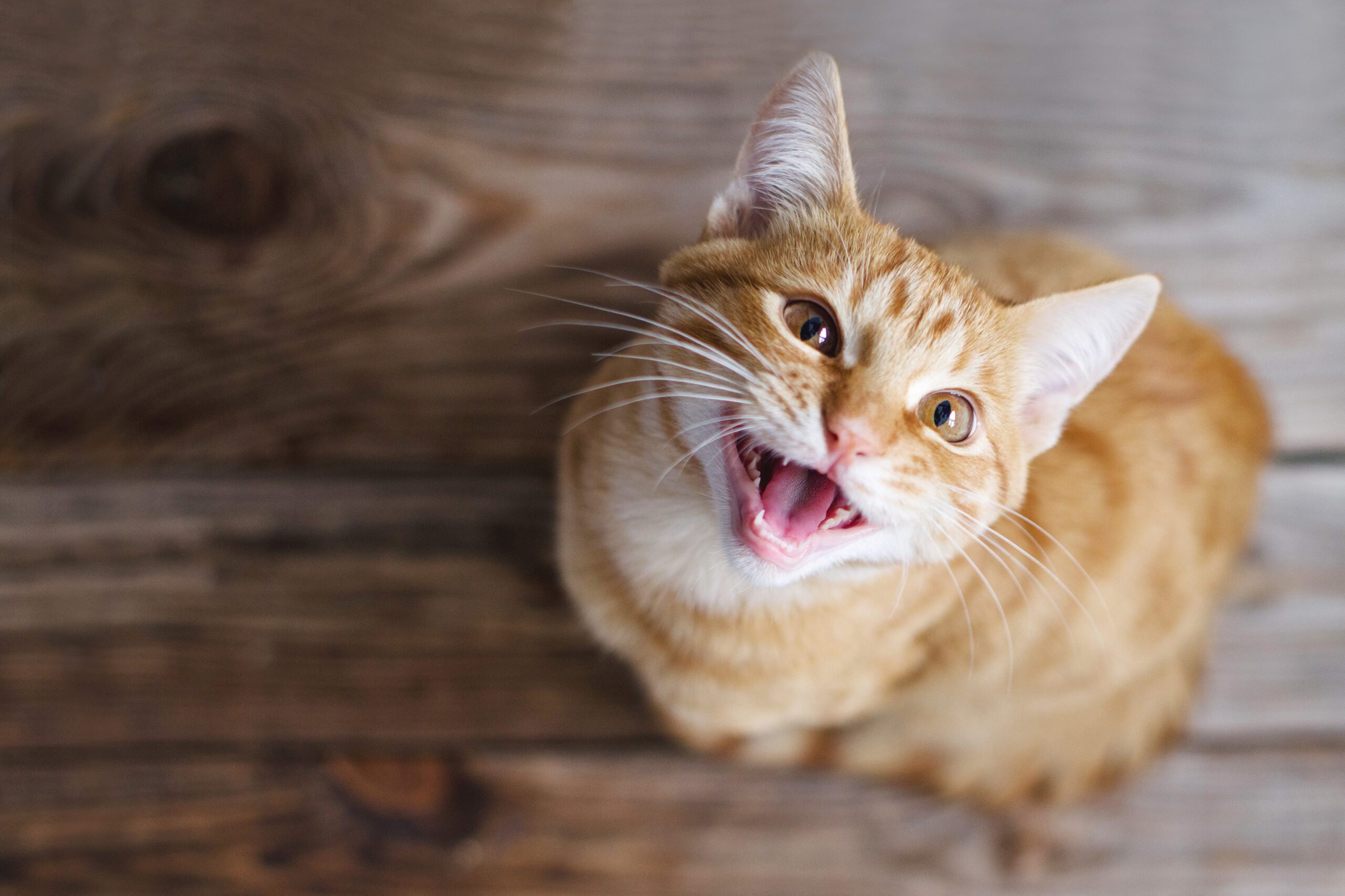
Cats are fascinating creatures with a wide range of vocalizations. Among these, the cat chirping sound stands out as particularly intriguing.
Have you ever wondered, “why do cats chirp,” or “why do cats make a chirping sound”? This behavior often leaves cat owners puzzled.
Chirping is not just random noise; it has meaning and purpose. Cats often chirp when they spot birds or other small animals, and cat chirping at birds is especially common.
This sound can be a mix of excitement and frustration. It might even be an attempt to mimic bird calls, as some describe it as a cat tweeting or a cat making bird noises.
Understanding why cats chirp can deepen your bond with your feline friend. Let’s explore the mystery behind this unique sound.
What Is Cat Chirping?
Cat chirping is a unique vocalization that differs from meowing or purring. It’s often described as a short, quick sound that resembles a bird’s tweet. Unlike a typical meow, which is drawn out, chirps are brief and come with a rapid jaw movement.
Also known as chattering or chittering (some even ask, “why do cats chatter?”), the cat chattering meaning generally points to focused interest and arousal while stalking or watching something.
This chirping sound is usually high-pitched and can vary in intensity. Cats seem to use this noise when they fixate on something fascinating, like birds. It’s fascinating to observe this behavior, as the sound captures their enthusiasm and possibly their hunting instincts.
Understanding the context of chirping helps in decoding your cat’s mood or needs. It’s a small but significant component of a cat’s broad vocal repertoire.
What Does a Cat Chirping Sound Like?
The sound of cat chirping can be both mysterious and intriguing. It’s a mix of high-pitched notes, almost resembling the quick chatter of birds. This cat chirping noise isn’t as sustained as a meow but comes out in short bursts.
The chirping can vary from cat to cat, with differences in pitch and rhythm. When you’re nearby, you might hear this fascinating mix of sounds:
- Short, quick sequences of notes
- Slight trilling or purring undertones
- Rhythmic, repetitive tones
For many cat owners, these distinctive chirps become memorable parts of their pet’s communication style.
Why Do Cats Chirp?
Cat chirping is a complex behavior with several potential explanations. If you’re asking “why do cats make chirping noises,” one reason cats chirp is that they are expressing excitement or frustration when observing prey. A bird outside the window can trigger chirping as part of a cat’s natural predatory behavior.
A list of common explanations for cat chirping includes:
- Mimicking bird calls as a hunting strategy
- Expressing excitement or curiosity
- Communicating with fellow cats or humans
Chirping can be a cat’s unique way of communicating, making it a vital part of their vocal expression. Some experts suggest that chirping also conveys friendly intentions, particularly when directed at humans or other pets.
The sound’s intensity and frequency can depend on the individual cat, the context, or even the time of day. Cats may also use chirping to show they’re playful or content, adding to the complexity of this behavior. As a rule, what cat chirps mean depends on context.
Cat Chirping at Birds: The Hunting Instinct
Chirping at birds is often seen in indoor cats observing through windows. The behavior mirrors their hunting instincts, which are triggered when they spot a potential prey. This act could be a way of preparing for a catch, albeit an imaginary one. Many owners ask “why does my cat chatter at birds” — this is the classic noise cats make at birds. In many homes, cat chattering at birds is closely related to chirping.
Common features of a cat’s hunting chirp include:
- Rapid jaw movement mimicking the catch moment
- High-pitched sounds resembling a bird’s call
- Continued attention on the prey
This scenario reveals how deeply ingrained hunting instincts are in cats, even if indoor life has softened their wild edges. Observing your cat chirp at birds can be both fascinating and entertaining.
Other Reasons Cats Make Chirping Sounds
Cats can chirp for reasons beyond hunting or excitement. Social interactions can trigger chirping, where cats engage with humans or other pets. A cat might chirp to greet or express needs, like hunger or a desire for attention. You might think, “my cat chirps a lot” during playful moments; if you’re wondering “why does my cat make a chirping sound,” social and attention-seeking contexts may be at play.
Cats also chirp during playful sessions with toys, mimicking a hunting scene in the safety of home. It’s not uncommon for your playful cat to chirp while pouncing on a toy mouse. Kittens may do this too — kitten chirping is common — prompting questions like “why does my kitten chirp?” Here are other contexts where chirping may occur:
- Seeking attention or displaying curiosity
- Expressing hunger or asking for treats
- Playing or interacting with toys
Chirping can also be unique to certain breeds or personalities, giving each cat a personal touch. Some owners ask “why does my cat chirp instead of meow?” For many cats, chirping is simply another tool in their vocabulary. Understanding the various contexts helps decode your cat’s chirp and strengthens your bond with them. Observing when and why your cat chirps offers insight into their world.
What Do Cat Chirps Mean? Decoding the Message
Decoding a cat’s chirp involves observing the context and body language. Cats use chirping to convey a range of emotions and intentions, which can vary widely. A cat may chirp out of playful curiosity or even to express contentment.
Analyzing your cat’s chirp requires attention to:
- The environment and presence of other animals
- The time of day or recent changes in routine
- The cat’s body language and eye movements
A chirp can indicate a need for attention, a greeting, or even a request. By recognizing these signs, you can better understand what your feline friend is trying to communicate. Understanding these nuances deepens the connection between you and your pet, making interactions more rewarding for both.
Is Cat Chirping Normal? When to Be Concerned
Cat chirping is generally normal and reflects a cat’s healthy vocal repertoire. Many cats chirp regularly, especially when watching birds or during playtime. This behavior often signals excitement or attention-seeking.
However, if chirping accompanies signs of distress or unusual changes in behavior, consulting a vet is wise. If your cat makes chirping sounds persistently or the cat chirping noise escalates alongside stress signals, it might indicate a health or environmental issue. Observing your cat’s overall demeanor helps in determining if this charming sound is part of their normal vocalizations or something more concerning.
How to Respond to Your Cat’s Chirping
When your cat chirps, responding with attention or play can be rewarding. Chirping often indicates your cat desires interaction or stimulation. Observe their cues to understand their needs better.
Here are a few ways to engage with your chirping cat:
- Offer toys that mimic prey.
- Set aside time for play and bonding.
- Provide a stimulating environment with windows for bird watching.
These actions help satisfy their instincts and strengthen your bond.
Understand the Feline Language
Cat chirping is a fascinating part of feline behavior, reflecting their instincts and communication methods. Understanding why cats chirp at birds and in other situations can enrich your relationship and improve pet care.
Each chirp offers insight into your cat’s emotions and needs, whether excitement or curiosity. By observing these vocalizations, you can better respond to and cherish these delightful moments in your cat’s life.
Meet the Doctor!
If you live in the Saratoga Springs, Utah area visit Dr. Jon McCormick, DVM and Owner of CityVet | Saratoga Srings, author of this blog. Book an appointment with Dr. McCormick now!
Call or visit us at CityVet to book your appointment.