
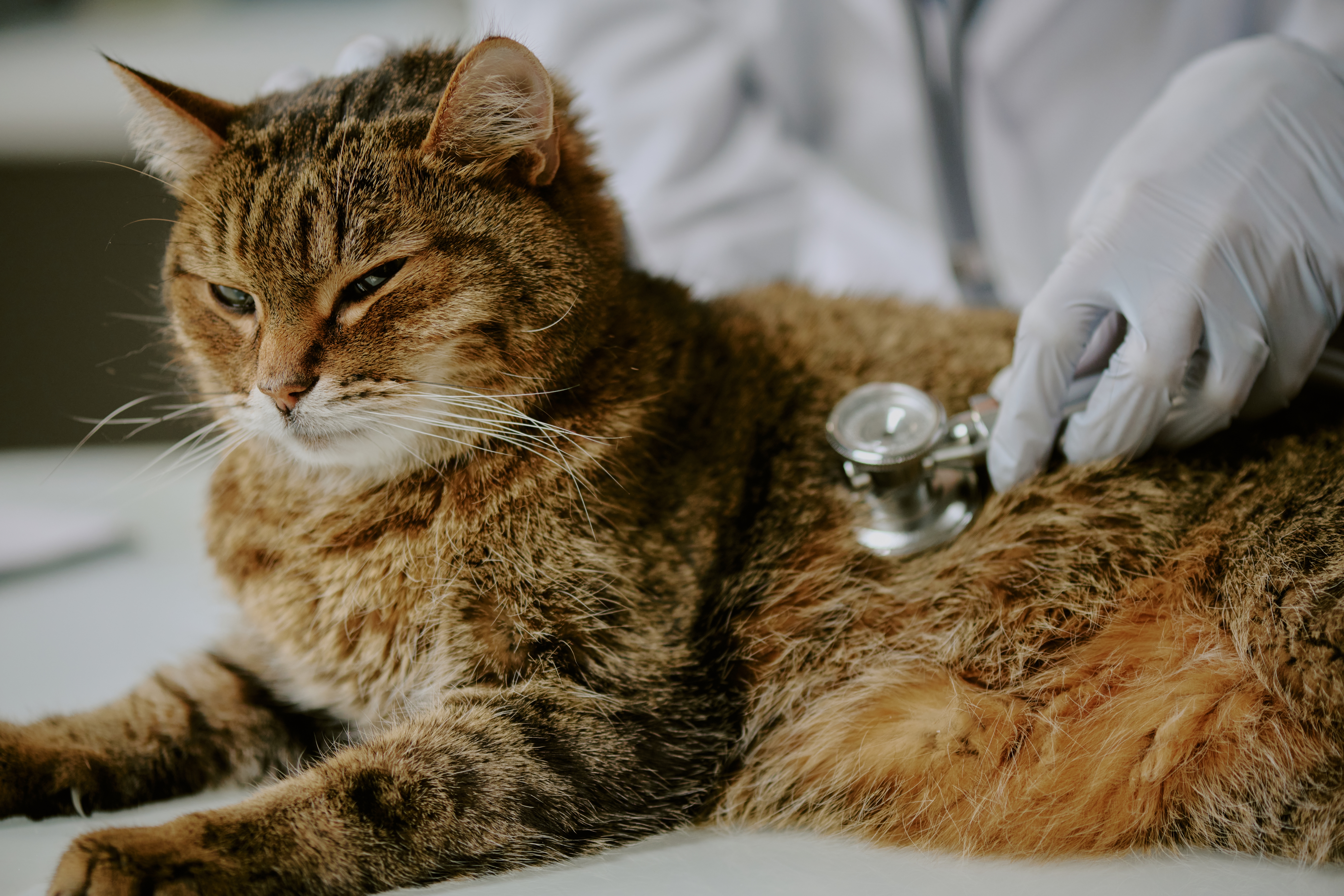
Importance of Regular Pet Wellness Exams
Regular pet wellness exams are the simplest way to keep small problems from turning into expensive emergencies. A well-timed animal wellness exam can catch issues your pet hides, like dental disease, early arthritis, heart murmurs, parasites, or weight gain, before they affect quality of life. Whether you’re booking a canine wellness exam or a feline wellness exam, the goal is the same: consistent prevention, smarter planning, and longer, healthier years together.
What pet wellness exams actually are (and why they matter)
A wellness appointment is a preventive vet examination (not a sick visit) that focuses on baseline health, risk factors, and early intervention. These routine pet examinations support:
- Early disease detection in pets (kidney disease, diabetes, thyroid issues, heart disease, cancers)
- Better comfort and mobility through earlier pain management
- Safer, individualized vaccination and parasite prevention
- Lower long-term costs and fewer urgent visits
If you’ve ever wondered what happens during a wellness visit, think of it as a structured health “audit” that includes a full cat examination or dog examination, plus tailored screening and prevention.
How often should pets get a wellness vet visit?
The answer depends on age, lifestyle, and medical history. Here is some general guidance:
Puppies and kittens
A puppy wellness exam or a kitten wellness exam (often part of a series) should happen frequently during the first few months, because growth, training, parasitic infection status, and vaccine needs change fast. Expect multiple visits for boosters, deworming, and development checks.
Healthy adult pets
Most healthy adult pets do well with an annual visit. During these visits, health status is closely monitored through routine screening tests, and disease protection is updated as needed through vaccination and parasite prevention.
Seniors or pets with chronic conditions
Older pets benefit from biannual visits and targeted senior pet health screening tests. This is where subtle shifts, such as weight loss, thirst changes, and dental disease, are most easily caught early.
What happens during a wellness visit: A practical walkthrough
A typical dog wellness visit or cat wellness visit includes a comprehensive history, hands-on exam, and preventive planning. Expect your veterinarian to cover:
1) History and lifestyle review
You’ll be asked about appetite, water intake, stool quality, energy, itching, coughing, behavior, and diet. For cats, a cat preventive care appointment often includes indoor/outdoor status, litter box habits, and stress at home.
2) Nose-to-tail physical exam
A full dog or cat exam generally checks:
- Eyes, ears, skin/coat, and lumps/bumps
- Heart and lungs (listening for murmurs or crackles)
- Abdominal palpation
- Joints and mobility
- Mouth and teeth
3) Dental evaluation
Your vet will explain what they see during a dental exam and if a teeth cleaning is recommended. Regular dental cleanings are highly advised, as they offer many benefits, such as reduced pain, fewer tooth extractions, and lower risk of systemic inflammation. Dental disease can be advanced even when pets still eat “normally.”
4) Weight and body condition scoring
Your vet may use a body condition score chart to prevent obesity by evaluating their body condition instead of looking at their weight alone. Small calorie adjustments early are far easier than weight-loss plans later, especially for cats.
5) Preventive care: Vaccines and parasites
You’ll discuss vaccine schedules for dogs and cats, plus region- and lifestyle-based risk.
- For cats, the question about indoor cats needing vaccines comes up often. Many indoor cats still benefit from core protection (and some risk still exists via open windows, new pets, boarding, grooming, or exposure carried on clothing).
- Parasite prevention is not one-size-fits-all. Ask for a comparison of parasite prevention options (flea/tick, heartworm, intestinal parasites), especially if you hike, travel, or your pet interacts with other animals.
Annual veterinary checkup checklist: What to bring and ask
To get the most from your wellness vet visit, use this annual veterinary checkup checklist:
- Bring prior records and a list of current medications and supplements
- Write down 3–5 concerns (even “small” ones)
- Ask what screenings are recommended this year
- Confirm the vaccine plan and timing (boosters, due dates, titers when appropriate)
- Discuss diet, treats, exercise, and behavior changes
- Ask whether a dental procedure is recommended and why
Tip: Take photos of any intermittent issues (limping, coughing episodes, vomiting, skin flare-ups) to help your vet assess patterns.
Screening tests and wellness bloodwork
Routine lab work establishes baselines and can reveal early disease before symptoms appear. Depending on age and risk, your vet may recommend urine testing, stool testing, thyroid screening, heartworm testing, or chemistry/CBC panels.
For seniors, targeted senior pet health screening tests are recommended because early intervention can slow progression of illness and preserve comfort.
Alternatives to routine vet checkups (and why they’re usually not enough)
People sometimes look for alternatives to routine vet checkups, like at-home testing, mobile vaccine clinics, or online advice. These can help with convenience, but they often miss what a hands-on vet examination catches: dental pain, abdominal masses, joint instability, heart murmurs, subtle weight trends, and individualized risk counseling.
The power of preventive care
Consistent pet wellness exams, whether it’s a feline wellness exam or canine wellness exam, give you a clear plan for vaccines, parasite control, dental care, weight management, and early screening. Book your next annual visit now, bring your checklist, and treat prevention as a habit for a lifetime of good health.