
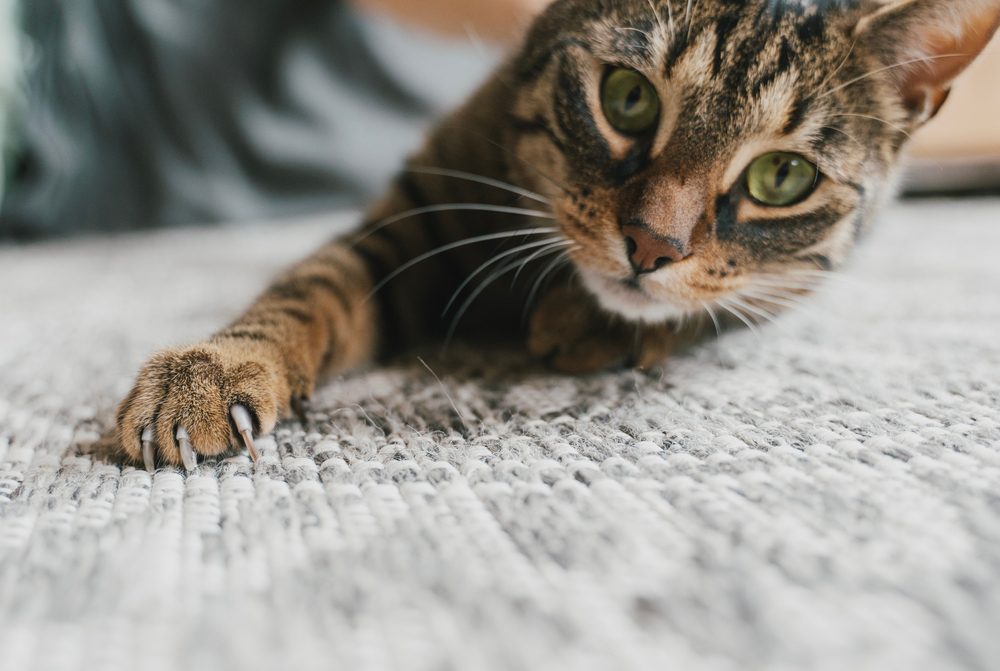
How to Deter Cats from Scratching Carpet
Cats are beloved companions, but their scratching habits can be frustrating, and carpets often bear the brunt of their natural instincts. If you’re searching for how to get a cat to stop scratching carpet, this guide can help.
Understanding why cats scratch in the first place is key to addressing the issue. They scratch to mark territory, sharpen claws, and stretch muscles.
This guide will explore effective strategies to help reduce inappropriate scratching, including how to prevent your cat from scratching carpet in common living areas. You’ll learn how to redirect their behavior and protect your home.
From providing alternative scratching surfaces to using deterrents, there are many solutions. These tips also help keep your cat from scratching your rug without disrupting your routine. Consistency and patience are crucial in training your cat.
By implementing these strategies, you can maintain a harmonious home. Let’s dive into the methods that will help you and your feline friend.
Why Do Cats Scratch Carpets?
Cats scratch for several natural reasons, making it an ingrained habit. This behavior is not meant to be destructive; instead, it serves various purposes.
Firstly, cats scratch to maintain their claws, shedding old layers and sharpening them. It’s a crucial part of their grooming routine.
Scratching also allows cats to mark their territory. Scent glands in their paws release pheromone signals, indicating their presence to other animals.
Moreover, scratching helps cats stretch their muscles and relieve tension. It’s similar to how humans stretch after a long day.
In summary, here are the primary reasons cats scratch carpets:
- To sharpen and maintain their claws.
- To mark territory with scent and visual marks.
- To stretch muscles and relieve tension.
Understanding these motivations is the first step toward effectively managing and redirecting the behavior.
Common Problem Areas: Doors, Rugs, and Carpet Edges
Cats often target specific carpet areas more than others. Each of these areas poses its unique challenges.
Doors are frequently scratched as cats try to signal their desire to enter or exit. This behavior is common when a favorite room becomes inaccessible. If you want to stop cats scratching carpet near a door, note that this spot often becomes a frustration point when access is blocked, leading to your cat scratching carpet under the door.
Rugs and carpet edges often take a hit too. These spots offer enticing textures and loose threads that cats find irresistible.
Here are the most common areas cats scratch:
- Near doors for entry and exit signaling.
- On rugs with interesting textures.
- Along exposed carpet edges with loose threads.
- Near areas where their human family members spend a lot of time
Identifying these hotspots can guide you in taking effective preventative measures. Addressing these problem zones can considerably reduce overall carpet damage.
Provide Appealing Alternatives to Carpet
Cats scratch for several reasons, including marking territory and sharpening claws. To discourage carpet scratching, offer your cat appealing alternatives.
Scratching posts come in various shapes and materials. Find the ones your cat likes. Place these alternatives near areas where your cat frequently scratches carpet.
To make the posts more inviting, use scents or toys that your cat loves. Rotate the toys occasionally to maintain your pet’s interest. You can even sprinkle some catnip on the scratch posts to attract them. Spraying Feliway (a cat pheromone) on the posts can, additionally, help give cats a sense of calm around those areas.
Here are some popular scratching alternatives:
- Sisal-covered posts or boards
- Cardboard scratchers
- Carpeted cat trees
- Ropes or textured fabric
Ensure scratching posts are stable and tall enough for a full stretch. This enhances their appeal and effectiveness in diverting unwanted behavior. By offering alternatives, you’re respecting your cat’s natural behavior while protecting your carpet. Well-placed scratchers are one of the best ways for how to stop a cat from pulling up carpet and how to stop a cat scratching the rug.
Deter Cats from Scratching Carpet: Proven Methods
There are several ways to deter your cat from scratching the carpet. One popular method is using deterrent sprays. Cat-safe sprays help make the carpet less appealing. These approaches directly address how to stop a cat clawing the carpet without punishment.
Another approach is applying double-sided tape to areas your cat targets. Cats dislike the sticky texture and may avoid these spots.
Try using carpet protectors like plastic or rubber mats over vulnerable areas. These barriers are not only effective but also easy to clean.
Here is a list of deterrent strategies:
- Double-sided tape
- Aluminum foil
- Deterrent sprays
- Carpet protectors
Consider using scents cats dislike, like citrus, to keep them away. Place peels or use cat-safe scented oils near problem areas as a natural repellent. Please stay away from essential oils since these can be toxic to cats.
Additionally, constant reinforcement when your cat avoids carpet scratching is key. Reward good behavior with treats and praise.
These deterrents may take time to implement, but patience is essential. Work to combine multiple strategies for optimal results in protecting your carpet.
Training and Positive Reinforcement Techniques
Training your cat to stop scratching the carpet can be a rewarding experience. If you’ve wondered, “how can I stop my cat from scratching the carpet?,” positive reinforcement provides a clear path. Employ positive reinforcement to guide their behavior. Reward your cat immediately when it uses approved scratching surfaces.
Use a firm but gentle approach by redirecting your cat’s focus to appropriate scratching posts. Provide praise, affection, or treats when your cat complies. Consistent positive reinforcement helps cement new habits.
Here are a few tips for effective training:
- Redirect to scratching post
- Reward good behavior
- Use simple commands
- Be patient
Consistency in your training methods is crucial. Incorporate these techniques into your daily routine. Over time, your cat will begin to understand and follow your cues. This approach leads to a happier home for both you and your feline friend.
Protecting Vulnerable Carpet Areas
Safeguarding specific carpet spots in your home is crucial. First, identify areas where your cat frequently scratches. These might be near doors or prominent corners.
Using protective coverings can help minimize damage. Carpet runners or mats are excellent options for high-traffic spots. These barriers prevent your cat from accessing targeted sections. They’re especially helpful if a cat is destroying carpet along transitions, and they can help with how to stop a cat from ripping up carpet where edges lift.
Consider these methods to protect vulnerable areas:
- Apply double-sided tape
- Utilize carpet protectors
- Install plastic or rubber edges
Preventative measures preserve your carpet and maintain its appearance. Implementing these strategies can reduce your cat’s interest in vulnerable spots. This approach keeps your home looking its best while addressing your cat’s natural instincts. Additionally, it ensures a safe environment for your four-legged family member.
When to Seek Professional Help
Sometimes, despite your best efforts, your cat’s scratching persists. If you notice new or excessive scratching, consult a veterinarian. It may indicate underlying health or behavioral problems.
A professional may suggest behavior training or evaluate for anxiety. Addressing the root cause with expert guidance can restore harmony. Early intervention prevents long-term issues and protects your home from further damage.
Final Tips for Success
Consistency and patience are your best allies. Each cat responds differently, so be prepared to try various strategies. Aim to create a stress-free environment to encourage good behavior.
Consider these additional tips for lasting success:
- Rotate toys to keep your cat engaged.
- Maintain regular nail trimming to reduce carpet damage.
- Use environmental enrichments, like cat trees, to offer vertical climbing spaces.
With dedication, your efforts will pay off. You’ll discover how to keep cats from scratching carpet while supporting healthy scratching habits and a harmonious home.
Frequently Asked Questions
Question: Why do cats scratch carpet, and is it just destructive?
Answer: Scratching is a natural behavior, not one that’s meant to be destructive. Cats scratch to shed and sharpen claw sheaths, mark territory with scent and visual cues, and stretch their muscles to relieve tension. Understanding these motivations helps you redirect the behavior to appropriate surfaces instead of trying to suppress it.
Question: Which spots get scratched most, and how can I handle doorways, rugs, and carpet edges?
Answer: Common hotspots include:
- Near doors, where cats signal a desire to enter or exit — often leading to scratching under doors or at thresholds. Place a sturdy scratcher close to the door and use protectors or tape along the seam to break the habit.
- Rugs with interesting textures. Offer similar-texture scratchers nearby and rotate toys or scents to make them more appealing than the rug.
- Exposed carpet edges and loose threads. Cover edges with plastic or rubber protectors, runners, or mats to block access and reduce temptation.
Question: What scratching alternatives should I provide, and how do I make my cat use them?
Answer: Offer a variety and place them where your cat already scratches:
- Options: Sisal-covered posts/boards, cardboard scratchers, carpeted cat trees, rope or textured fabric.
- Make them enticing: Add favorite scents or toys, and rotate toys to keep interest high.
- Ensure function: Posts should be stable and tall enough for a full-body stretch. Position these near problem areas first, then gradually move them to preferred locations once your cat reliably uses them.
Question: Which deterrents actually work to protect carpet?
Answer: Use a mix of texture, scent, and physical barriers:
- Double-sided tape or aluminum foil on target spots to make surfaces unappealing.
- Cat-safe deterrent sprays to reduce interest.
- Carpet protectors (plastic or rubber mats/runners) over vulnerable areas.
- Natural scent aversion like citrus (peels or scented oils) near hotspots. Combine deterrents with immediate rewards when your cat chooses an approved scratcher. Consistency and patience are key.
Question: How do I train my cat to stop scratching carpet, and when should I seek professional help?
Answer: Rely on positive reinforcement:
- Redirect to an approved scratcher the moment scratching starts.
- Reward good choices instantly (treats, praise, affection).
- Use simple, consistent cues and be patient — habits form over time. Protect vulnerable areas while training, and support success with routine nail trims and environmental enrichment (e.g., cat trees). If scratching is new, excessive, or persists despite consistent efforts, consult a veterinarian or behavior professional to check for health or anxiety-related causes and get tailored guidance.