
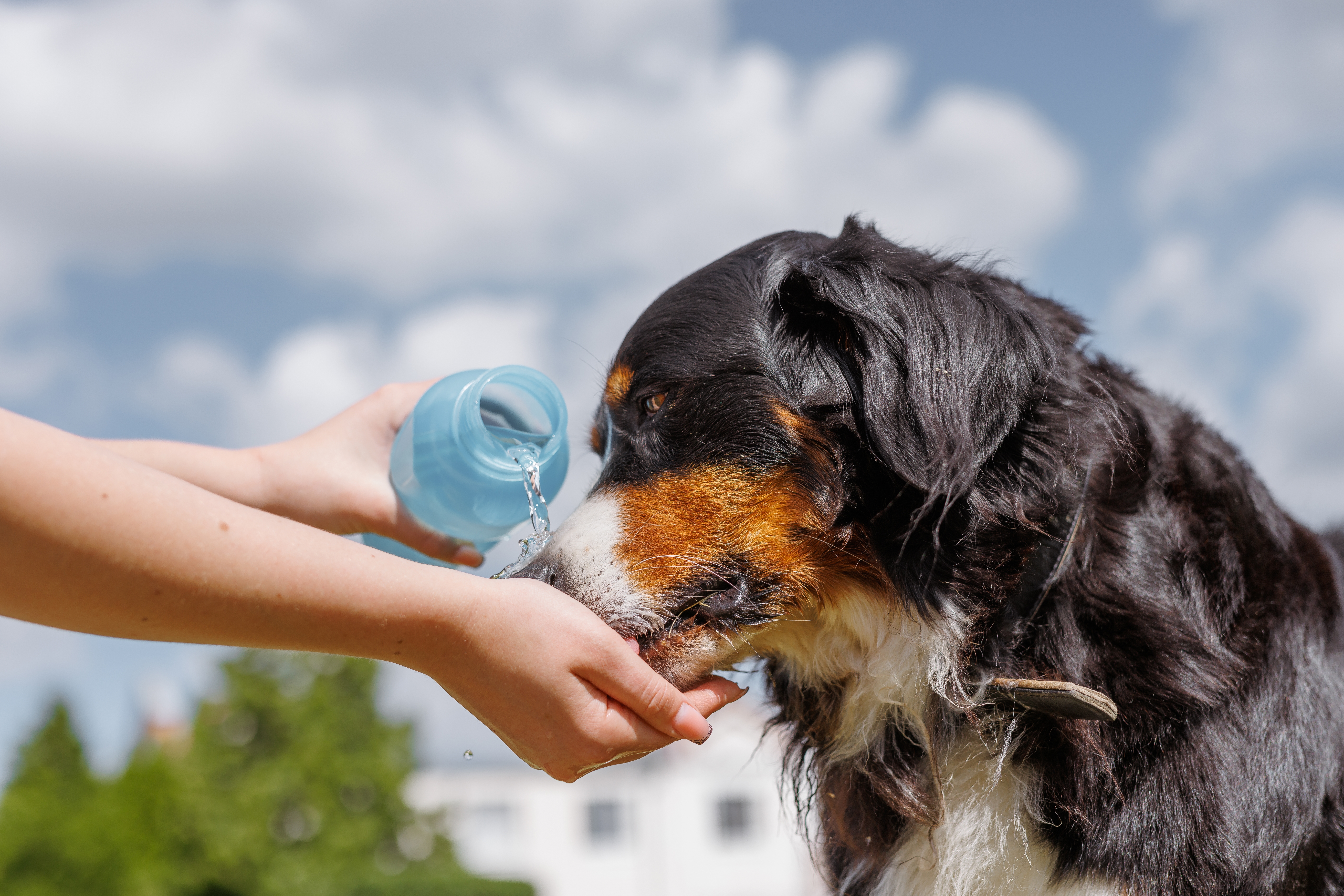
As a devoted pet parent, you know that keeping your furry best friend hydrated is a top priority, especially during the sweltering summer months or after a rigorous game of fetch. But sometimes, plain water just isn’t enough to replenish what your dog has lost. You might find yourself wondering, can dogs have electrolytes?
The short answer is a resounding yes! Just like people, dogs lose vital minerals when they pant, play, or fall ill. Let’s dive into the world of canine electrolytes, exploring when, why, and how you should offer them to keep your pup healthy and energized.
The Science of Hydration
To understand why these minerals matter, we first need to look at the functions of electrolytes in the canine body. Electrolytes are electrically charged minerals, including sodium, potassium, chloride, calcium, and magnesium. These are the essential minerals for canine hydration, responsible for regulating nerve impulses, facilitating muscle contractions, and maintaining optimal canine fluid balance across cells.
When a dog’s fluid levels drop, this delicate mineral balance is disrupted, leading to potential health risks.
Spotting the Signs of Trouble
Before you start pouring a bowl of an electrolyte solution for dogs, it’s crucial to recognize when your dog actually needs it.
Recognizing Dehydration
DISCLAIMER: If you see any of these signs, it is still safest to consult your veterinarian first.
Learning how to tell if a dog is dehydrated is a fundamental skill for any pet owner. Look out for:
- Dry or pale gums: A healthy dog’s gums should be pink and moist.
- Loss of skin elasticity: Gently pinch the skin between your dog’s shoulder blades. If it takes longer than a second to snap back into place, creating a “skin tent,” they need fluids.
- Sunken eyes: A classic sign of severe fluid loss.
- Lethargy: Unwillingness to play or move around.
- Urine changes: Reduced urine output or dark yellow urine can indicate dehydration.
Mineral Imbalances and Heatstroke
If fluid loss is severe, you may start noticing symptoms of canine electrolyte imbalance, which include muscle tremors, weakness, an irregular heartbeat, and confusion.
During hot weather, dehydration can quickly escalate. You must be vigilant about the emergency signs of canine heatstroke, such as excessive panting, drooling, vomiting, uncoordinated movements, and collapse. If you notice these severe symptoms, skip the at-home remedies and get to an emergency vet immediately.
When Do Dogs Actually Need Electrolytes?
Many owners ask, “Can I give my dog electrolytes just for a daily health boost?” For the average house dog, a fresh bowl of water is perfectly sufficient. However, there are specific scenarios where an extra boost is highly beneficial:
- Illness and Recovery: Rehydrating a dog after vomiting and diarrhea is the most common reason vets recommend electrolytes. Gastrointestinal distress rapidly strips the body of fluids and critical minerals.
- High Exertion: Highly active breeds require electrolyte replacement for working dogs. Whether they are herding, hunting, or joining you on a strenuous mountain hike, they lose significant moisture through heavy panting and paw-pad sweating.
Choosing the Right Replenishment
So, can dogs drink electrolytes designed for people? The answer is generally no.
The Human Sports Drink Dilemma
Pet owners may ask, “Is Gatorade toxic to dogs?” While a tiny sip of a traditional sports drink isn’t strictly toxic, it is highly discouraged. Human sports drinks contain excessive amounts of sodium and sugar, which can upset a dog’s stomach and worsen dehydration.
Even more concerning is the danger of artificial sweeteners in hydration drinks. Many zero-sugar human drinks contain xylitol (birch sugar), which is highly toxic and potentially fatal to dogs, causing a rapid drop in blood sugar and liver failure.
The Best Commercial Options
Instead of sharing your gym drink, always opt for dog specific electrolyte solutions. When looking for a reliable electrolyte pet product, seek out veterinary-approved electrolyte supplements. These are formulated specifically for a dog’s unique biological needs.
You may have heard of using human infant rehydration fluids. If you go this route, unflavored Pedialyte is often recommended by vets. However, getting the correct pedialyte for dogs dosage is vital. Typically, it is about 1-2 ml per pound of body weight every hour. For example, a 20-pound dog should get 20-40 ml of Pedialyte an hour, which equals 4-8 teaspoons. You can also create a 50/50 solution of Pedialyte and water to avoid triggering a bout of diarrhea or spike in electrolyte levels. Always consult your veterinarian before administering it.
Safe and Effective Administration
Knowing how to give dogs electrolytes is just as important as choosing the right product. If you offer a massive bowl of fluids to a nauseous dog, they will likely gulp it down and immediately vomit it back up, defeating the purpose.
Here are the most safe ways to rehydrate a dog:
- Small, frequent sips: Offer just a few laps every 15-20 minutes to avoid overdoing it.
- Ice cubes: Freeze a dog hydration drink into ice cubes. Licking the ice forces the dog to ingest the fluids slowly, which is much gentler on an upset stomach.
- Syringe feeding: If your dog refuses to drink, you can gently use a needle-less oral syringe to squirt small amounts into the side of their cheek.
Natural Alternatives and DIY Solutions
If you find yourself in a bind, there are natural ways to provide electrolytes for dogs.
One fantastic natural option is coconut water. The benefits of coconut water for dogs include a high concentration of natural potassium and a mild, appealing flavor. Just ensure you are buying 100% pure coconut water with zero added sugars or preservatives, and offer it in moderation.
Alternatively, you can whip up a homemade dog electrolyte recipe using items from your pantry. A simple, vet-approved DIY recipe includes:
- 4 cups of clean, filtered water
- 1 tablespoon of honey or Karo syrup (for natural energy)
- 1 level teaspoon of salt (for sodium/chloride)
Mix the ingredients thoroughly until dissolved. This DIY solution can be a lifesaver when you can’t get to the store for commercial electrolyte supplements for dogs.
Effective Hydration for a Healthy Dog
Proper hydration is the cornerstone of your dog’s health. While plain water is the gold standard for daily maintenance, knowing exactly when and how to utilize canine electrolyte solutions can make all the difference during illnesses or intense physical activity. By avoiding sugary human drinks, monitoring for signs of dehydration, and keeping safe, vet-approved supplements in your pet first-aid kit, you can ensure your furry companion stays happy, healthy, and perfectly hydrated all year round.
Meet the Doctor!
If you live in the Aurora, Colorado area visit Dr. Jennifer Reilly Meyer, DVM and Owner of CityVet | Aurora, author of this blog. Book an appointment with Dr. Meyer now!
Call or visit us at CityVet to book your appointment.