
How to Decrease Cat Shedding: Tips & Solutions
If you have ever stared at a fur-covered sweater and asked, “Why is my cat losing so much fur?” you are not alone. Finding fluff tumbleweeds drifting across your floors is standard for pet ownership. However, learning how to control cat shedding can dramatically transform your home environment and improve your feline’s wellbeing. While you cannot learn how to stop cat shedding entirely — it is a natural biological process — you can definitely manage it effectively. This guide explores practical, proven ways on how to minimize shedding in cats, keeping both your beloved pet and your living space in pristine condition.
Understanding Your Cat’s Fur Cycle
Before diving into solutions, understanding normal feline hair growth is essential. Most domestic cats experience seasonal molting patterns, shedding heavily in the spring to lose their winter coats, and again in the fall to prepare for new growth. During these specific transitional periods, molting cats leave significantly more hair around the house.
However, you must learn the critical difference between normal shedding and alopecia, which is abnormal hair loss resulting in bald patches or irritated skin. If your pet’s fur falls out in large clumps or they are excessively scratching, it is crucial to focus on identifying medical causes of feline hair loss. Issues like flea infestations, fungal infections, allergies, or stress require professional attention. If you suspect these issues, consult your veterinarian immediately rather than relying solely on grooming.
Nutrition: The Foundation of a Healthy Coat
A robust coat always starts from within. Discovering how to decrease cat shedding often involves optimizing their daily diet to strengthen hair follicles directly at the root.
- Hydration is Key: Ensuring proper hydration for cat skin elasticity is a crucial step that is often overlooked. A well-hydrated feline has healthier skin, which holds onto hair follicles more effectively. Incorporate high-moisture wet food into their diet or use a flowing pet water fountain to encourage regular drinking.
- Essential Fats: Supplementing meals with omega-3 fatty acids for pet skin health is highly effective. These nutrients strengthen hair shafts, reduce skin inflammation, and promote a glossy finish.
- Quality Diet: Invest in the best cat food for healthy coat and skin. Look for recipes featuring high-quality animal proteins, essential vitamins like Vitamin E, and vital minerals.
- Holistic Additions: Consider safe, natural remedies for excessive cat shedding. Adding a few drops of salmon oil or coconut oil to their meals can work wonders, though you should always consult a vet before introducing new supplements to their diet.
Mastering the Art of Feline Grooming
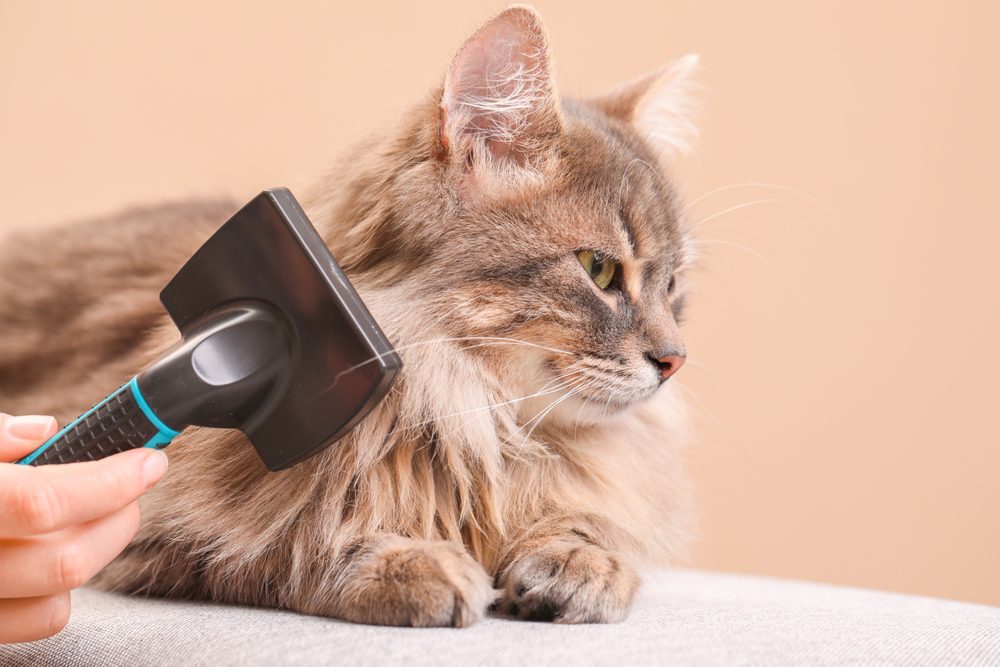
Implementing a consistent grooming routine proactively tackles loose fur before it ruins your furniture. Knowing exactly how to de-shed a cat can save your home and prevent painful matting that requires professional shaving.
Brushing Best Practices
The benefits of daily brushing for cats extend far beyond a tidy home. Regular grooming stimulates healthy blood flow, distributes natural oils evenly across the coat, and serves as one of the best ways to bond with your cat. It also gives you a regular chance to check for fleas, lumps, or irritated skin before small problems become big ones.
- Brush on a Schedule: Short-haired cats typically do well with brushing two to three times a week, while long-haired breeds benefit from daily sessions. Increase the frequency during spring and fall shedding seasons.
- Choose the Right Tools: A slicker brush or rubber grooming mitt works well for short coats, while a wide-toothed comb helps work through tangles in longer fur. A de-shedding tool can remove loose undercoat, but use it gently and sparingly to avoid irritating the skin.
- Keep It Positive: Start with brief sessions when your cat is calm, and reward them with treats or praise. Over time, most cats learn to enjoy grooming as part of their routine.
Conclusion: A Healthier Coat and a Cleaner Home
Shedding is a natural part of life with a cat, but it doesn’t have to take over your home. By understanding your cat’s seasonal fur cycle, supporting their coat from within through proper hydration and a nutrient-rich diet, and committing to a consistent grooming routine, you can dramatically reduce the amount of loose hair on your floors, furniture, and clothing.
Most importantly, pay attention to changes. Heavier shedding in the spring and fall is normal, but bald patches, irritated skin, or constant scratching are signs that something more may be going on. When in doubt, the best way to decrease cat shedding is to start with a professional opinion. Your CityVet veterinarian can rule out underlying medical causes, recommend the right diet and supplements for your cat, and help you build a grooming plan that keeps your feline friend healthy, comfortable, and a little less fluffy around the house.