
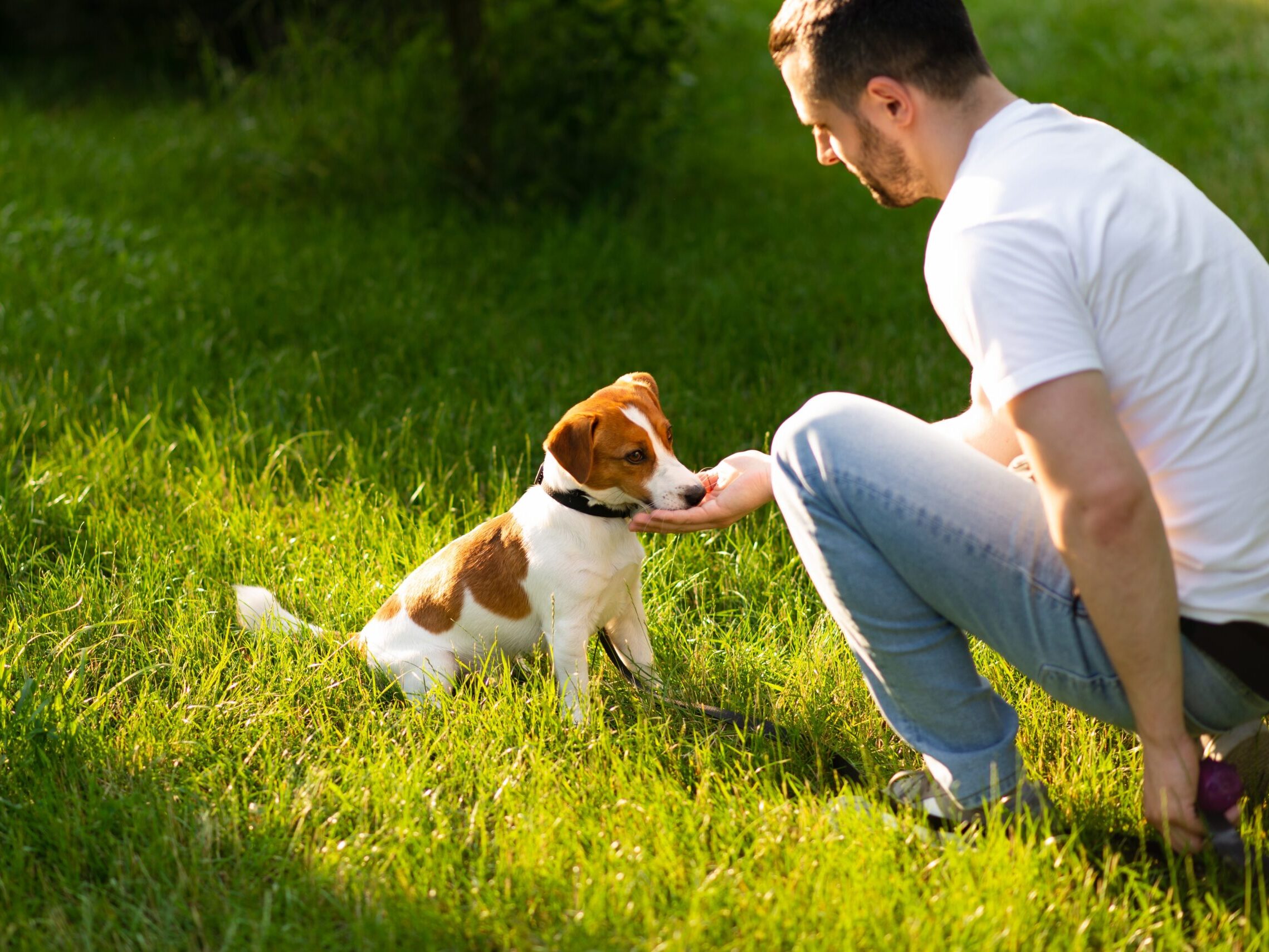
Bringing home a new puppy is an exciting time filled with joy, love, and a little bit of chaos. As a pet owner, one of your first priorities is to train your 10-week-old puppy, particularly when it comes to potty training. Understanding the process and having a clear schedule can make this transition smoother for you and your puppy.
When Should I Begin Potty Training My Puppy?
Potty training should ideally begin as soon as you bring your puppy home. Puppies as young as 8 weeks old can start learning basic potty routines, and at 10 weeks, your puppy is at the perfect age to start understanding the fundamentals.
Because puppies have small bladders and need to relieve themselves frequently, it helps to know what they can handle. Typically, a puppy can hold their bladder for about one hour for every month of age. Therefore, a 10-week-old puppy might be able to hold it for about two to three hours during the day. At night, this duration may be slightly longer due to lower activity levels.
Consistency is key when it comes to potty training. Establishing a predictable routine will help your puppy understand what is expected. Here’s a basic schedule to guide you:
- First thing in the morning: Take your puppy outside immediately upon waking.
- After meals: Offer a potty break about 10-15 minutes after eating, when digestion often triggers the urge to go.
- After playtime: Physical activity stimulates the bladder, so follow play sessions with a trip outside.
- Before bedtime: Take your puppy out one last time before settling down for the night.
Positive Reinforcement for Potty Training Your Puppy
Once a schedule is in place, you can reinforce good habits by creating consistency in where and how your puppy goes potty. Select a specific spot in your yard and bring your puppy to that same area each time. This helps them associate the location with going to the bathroom.
Pair this with a simple verbal cue, such as “go outside” or “go to the bathroom,” using a calm, encouraging tone. Positive reinforcement is critical. As soon as your puppy finishes going, immediately praise them with a cheerful voice and give them a treat. This helps your puppy associate going potty outside with a positive experience.
Until your puppy is fully trained, it’s crucial to supervise them closely. Limit their freedom in the house to prevent accidents by using baby gates or a leash to keep them in your sight at all times.
Accidents will happen, but it’s important to remain patient. Never punish your puppy for accidents. Instead, clean the area thoroughly to remove any scent that might encourage them to go there again.
Watch for Signals From Your Puppy
Understanding your puppy’s signals is important to prevent accidents. Look for signs such as sniffing around, circling, whining, or heading towards the door. If you notice these behaviors, take your puppy out immediately.
Keep in mind that your puppy will likely need a potty break during the night. Consider setting an alarm for a middle-of-the-night potty break until your puppy can hold it all night.
Sometimes, puppies who were doing well might start having accidents again. This can be due to changes in routine, environment, or health. Stay consistent with your schedule and consult your veterinarian if you suspect any health issues.
You can begin introducing potty-training routines as early as 8 weeks old. By 10 weeks, most puppies are becoming more familiar with the process, and your consistency will help reinforce what they are learning.
One Size Does Not Fit All
Potty training varies for each puppy. Some may learn quickly within a few weeks, while others might take a few months. Consistency and patience are key. Potty training a 10-week-old puppy requires dedication, patience, and a lot of love.
Understanding your puppy’s needs, establishing a consistent routine, and offering positive reinforcement are key to successfully training your puppy and strengthening your connection with them.
Remember, every puppy is unique, and they learn at their own pace. Embrace the journey, and enjoy the process of helping your furry friend grow into a well-behaved member of your family. With time and effort, you’ll both enjoy the benefits of successful potty training.
Meet the Doctor!
If you live in the Colorado Springs, Colorado area visit Dr. Zuania Cordero, DVM and Owner of CityVet | Briargate, author of this blog. Book an appointment with Dr. Cordero now!
Call or visit us at CityVet to book your appointment.