
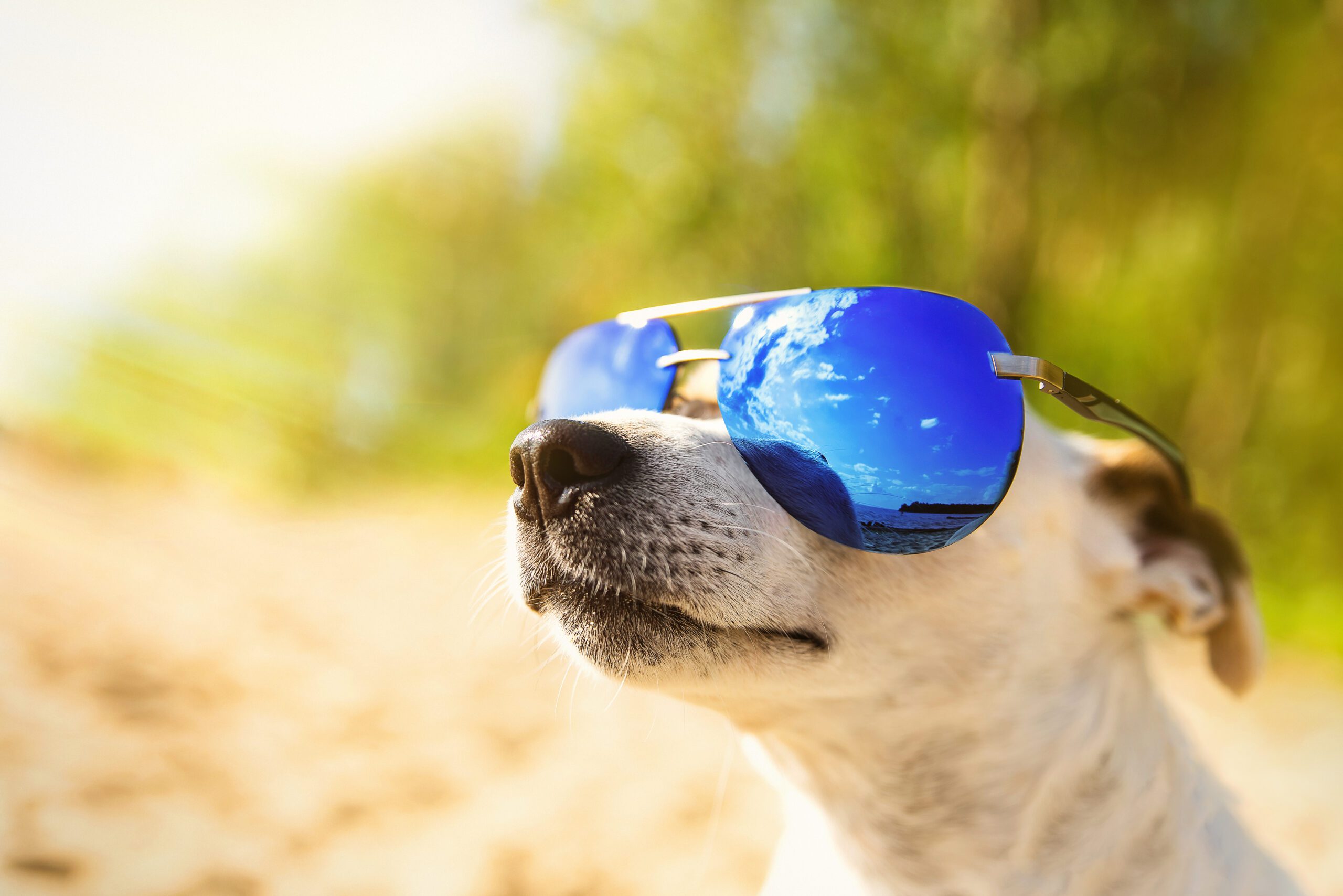
Understanding Sunburn in Dogs: Causes and Prevention
Sunburn isn’t just a human concern; dogs can suffer too. Many pet owners are unaware of this risk, but dogs, especially those with light or thin fur, are vulnerable to sunburn.
Understanding how sunburn affects dogs is crucial for their health, as it can lead to skin damage and discomfort. In severe cases, it can even increase the risk of skin cancer.
Recognizing the signs of sunburn in dogs can help in early intervention. Redness, tenderness, and peeling are common symptoms, and these signs indicate that your dog needs immediate care.
Prevention is always better than cure. Limiting sun exposure and using dog-safe sunscreen can protect your pet. Providing shade and hydration are also essential steps.
This guide will help you understand sunburn in dogs and teach you how to prevent and treat it effectively. Your dog’s health and comfort are our top priorities.
Can Dogs Get Sunburn? The Science Behind Sunburn in Dogs
Yes, dogs can indeed get sunburned. It occurs when ultraviolet (UV) rays damage the skin cells. Although fur provides some protection, it’s not foolproof.
Dogs with lighter fur or skin are more susceptible, as their skin has less pigment to absorb the harmful UV rays. Therefore, these dogs are at a higher risk of sun-related damage.
Sunburn can harm a dog’s skin just like it does humans. Prolonged exposure leads to redness, pain, and eventually peeling. Dogs who suffer from severe cases of sunburn can also develop an increased risk of skin cancer.
In general, dogs with thick, dark fur who aren’t outside for long periods of time stand the best chance of avoiding sunburn.
In conclusion, protecting your dog from the sun’s harmful effects is vital. Awareness and preventive measures can help ensure their well-being. Simple steps can make a significant difference in their comfort and health.
What Does Dog Sunburn Look Like? Signs and Symptoms
Recognizing sunburn in dogs is key to early treatment and relief. A sunburned dog may show specific symptoms indicating skin damage.
Common signs of sunburn in dogs include redness and tenderness on the skin. You might notice these symptoms primarily on exposed areas like the nose and belly.
In severe cases, the skin may begin to peel or blister. This can cause discomfort and requires prompt attention to prevent infection.
Sunburned dogs may also exhibit behavioral changes. Increased irritability or discomfort upon being touched can be signals of sunburn.
By knowing what dog sunburn looks like, you can provide prompt care. Early detection helps ensure that your dog receives necessary relief and treatment.
Common Areas for Sunburn on Dogs
Sunburn can affect various parts of a dog’s body, depending on fur coverage and color. Dogs with thin or light-colored coats are more susceptible to generalized sunburn over their entire body.
The nose is one of the most common areas for sunburn on dogs. Its exposure to sunlight and lack of fur makes it highly sensitive.
Other vulnerable areas include the ears, belly, and areas with sparse fur. Keeping these areas protected is crucial during sunny days.
Here’s a list of at-risk areas for sunburn:
- Nose
- Ears
- Belly
- Around the eyes
By recognizing these key areas, you can better protect your dog from harmful UV rays. Simple precautions can save your pet from discomfort and long-term harm.
Can Dogs Get Sun Poisoning?
Sun poisoning is a severe form of sunburn and can indeed affect dogs. It occurs when prolonged sun exposure leads to acute skin damage and systemic symptoms. Recognizing it early is key to preventing complications.
The symptoms of sun poisoning in dogs go beyond skin redness or peeling. They may exhibit lethargy, vomiting, and increased body temperature. Such signs suggest the need for immediate attention.
Key indicators of sun poisoning include:
- Lethargy and fatigue
- Vomiting or nausea
- Severe redness and swelling
- Skin blisters
- Elevated body temperature (above 102.5 F)
These symptoms can be distressing for your pet and, if unaddressed, may lead to serious health issues. Always take preventive measures to keep your dog safe under the sun.
Risks and Long-Term Effects of Sunburn in Dogs
Sunburn can pose significant risks to your dog’s health over time. Even mild burns can cause discomfort and skin damage. Repeated sunburns may lead to more severe outcomes.
Chronic sun exposure can increase the risk of skin cancer in dogs. Prolonged damage may lead to thickened or discolored skin, making preventive care essential. Veterinarians stress the importance of protecting your pet from these harmful effects.
By understanding these risks, pet owners can take steps to shield their companions from harmful UV rays. Regular check-ups can aid in early detection and management.
How to Prevent Sunburn in Dogs
Preventing sunburn is key to keeping your dog safe and happy. Simple steps can greatly reduce your pet’s risk of sun damage.
First, limit your dog’s sun exposure during peak UV hours. Typically, these hours are between 10 a.m. and 4 p.m. Providing ample shade is another essential measure for protection.
Applying sunscreen formulated for dogs can help protect vulnerable skin. Never use human sunscreen, as it may contain harmful chemicals. Focus on areas most prone to sunburn.
Additionally, consider protective clothing like UV-blocking shirts. These are particularly useful for dogs with thin or light-colored coats. Such garments provide an extra layer of defense..
Hydration is vital as well. Ensure your dog has access to fresh water at all times. Dehydration can compound the effects of sun exposure.
By implementing these strategies, you can enjoy outdoor activities safely with your dog. Regular monitoring and care can prevent sunburn, ensuring your dog stays healthy.
Dog Sunburn Treatment: What to Do If Your Dog Gets Burned
For effective sunburn relief:
- Move your dog to the shade immediately.
- Apply cool compresses to the affected areas.
- Use pet-safe aloe vera to soothe the skin.
In addition, ensure your dog stays hydrated. Offer plenty of fresh water to support recovery and overall wellness. This is crucial, especially after time spent in the sun.
Monitor your dog’s condition closely. If you notice severe blistering, lethargy, or any unusual behavior, contact your veterinarian. Professional advice is essential for severe cases.
Dog Nose Sunburn: Special Care for Sensitive Areas
Your dog’s nose is particularly vulnerable to sunburn. This area often lacks the protection that fur provides, making it more exposed. Sensitive skin can easily become dry and irritated from sun exposure.
To protect your dog’s nose, apply a pet-specific sunscreen designed for sensitive areas. Human sunscreens can be toxic to pets, so choose products made just for dogs. Reapply as directed, especially if your dog is active outdoors.
When dealing with sunburn on a dog’s nose, consider these steps:
- Use a pet-specific sunscreen.
- Reapply sunscreen throughout the day.
- Monitor for signs of irritation or dryness.
If your dog’s nose becomes sunburned, soothe it with a pet-safe balm to restore moisture and support healing.
When to See a Veterinarian
It’s crucial to know when your dog’s sunburn requires professional attention. While minor sunburns can be treated at home, severe cases need veterinary care. Prompt action can prevent complications like skin infections and prolonged pain.
Consider seeking veterinary help if you notice any of the following:
- Blistering or open sores
- Significant swelling
- Persistent redness or pain
- Signs of sun poisoning such as lethargy or vomiting
If your dog’s discomfort continues or the skin doesn’t heal, consulting a vet ensures your pet receives the best possible care. Early intervention can lead to better recovery and comfort for your furry friend.
Key Takeaways for Pet Owners
Sun protection is crucial for your dog’s health and comfort. Understanding their risks can lead to better preventive care. Take proactive steps to shield them from harm caused by sun exposure.
Key takeaways about sunburn in dogs include:
- Limit sun exposure during peak hours.
- Use dog-safe sunscreen on susceptible areas.
- Regularly check your dog’s skin for signs of sunburn.
- Ensure they have access to shade and fresh water.
- Consult a vet if sunburn appears severe or persists.
By following these tips, you and your dog can enjoy the summer sunshine safely. But, if you suspect they’ve become sunburned, contact your veterinarian for help.
FAQs
Yes, their nose is a common area for sunburn, as it is in direct sunlight and has no fur to protect it.
Yes, their light skin offers less protection from UV rays.
No, dogs don’t tan. Instead, their skin can burn.