
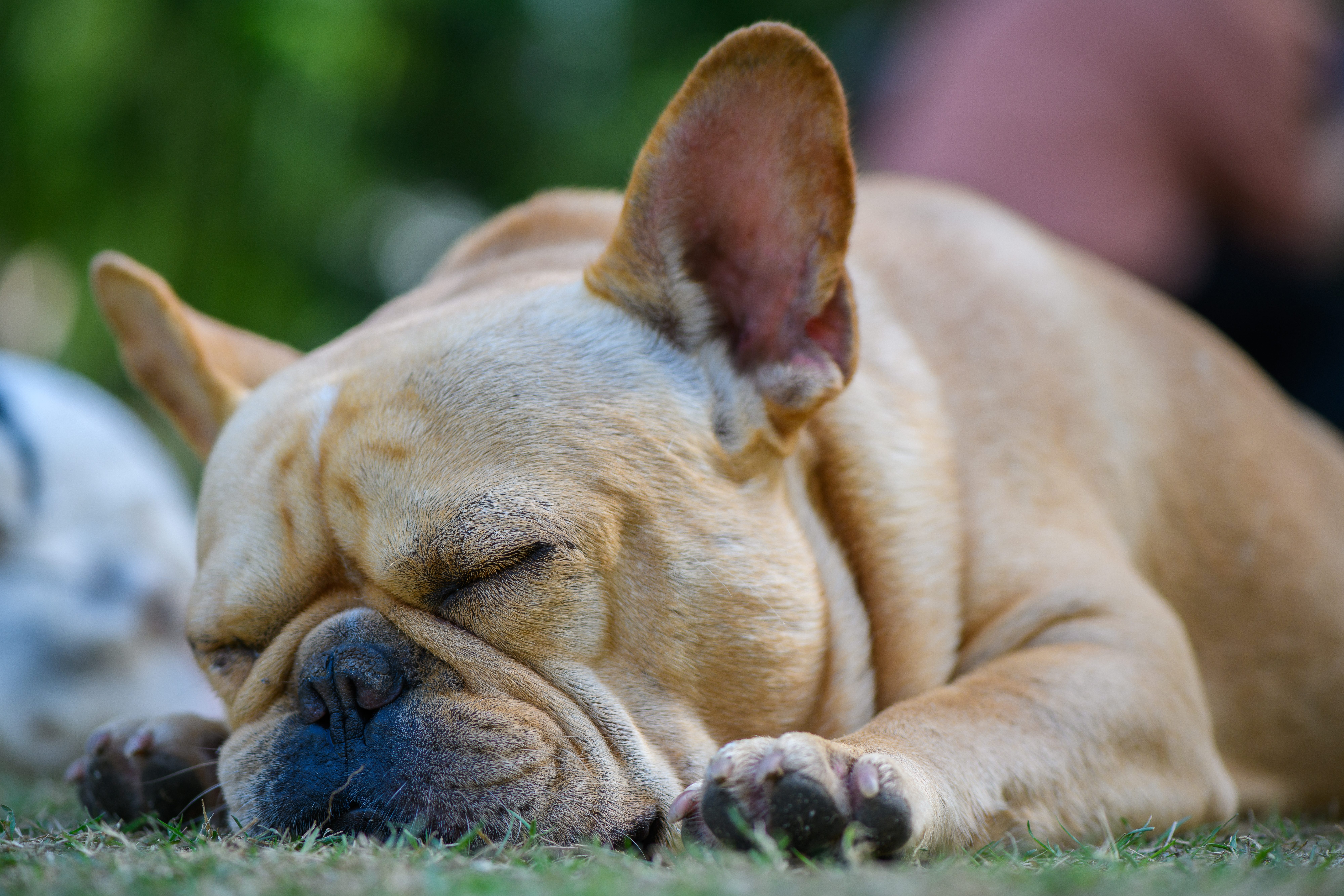
As a pet owner, you might find it endearing or perhaps a bit worrisome when your furry friend snores loudly while sleeping. You’re not alone in wondering, “Why does my dog snore?” or even “Why does my dog snore so loud” and “Should I worry about my dog snoring?” Snoring is common among dogs, and understanding why it happens can help you determine if it’s normal or if there’s a need for concern. Many people also ask, “is it normal for dogs to snore?” — and often, the answer is yes.
Snoring occurs when airflow is partially obstructed in the nasal passages or throat during sleep. This obstruction causes the surrounding tissues to vibrate, producing the familiar snoring sound. In simple terms, canine snoring is usually about airflow and soft tissues, and it’s most obvious when your pup is sleeping. So, yes, dogs can snore, and it’s usually harmless unless other symptoms are present.
Dog Breeds Prone to Snoring
Some dog breeds are more prone to snoring due to their physical characteristics. Brachycephalic breeds, like Bulldogs, Pugs, and Boxers, have shorter noses and elongated soft palates, leading to restricted airflow. This anatomical trait often results in louder, more frequent snoring. It’s why some owners ask, “Why does my dog snore like a human?” The sound can be deep and rumbling, and the snoring can result in poor sleep. Dogs who cannot breathe well and snore loudly may benefit from corrective surgery of brachycephalic airway obstructive syndrome (BOAS).
Sleep Position and Snoring
The way your dog sleeps can also contribute to snoring. A dog sleeping on their back may cause the tongue and soft palate to collapse to the back of the throat, obstructing airflow. Changing positions can sometimes alleviate snoring, especially if your dog likes to lounge on their back.
Weight, Age, and Snoring
Just like in people, weight gain and aging can increase the likelihood of snoring in dogs. Excess weight can increase fatty tissue around the throat, narrowing the airway. Similarly, as dogs age, their muscles, including those in the throat, may become less toned, contributing to snoring. If you’re thinking, “My dog snores really loud,” weight management may help.
Allergies and Environmental Irritants
Dogs can suffer from allergies just like people. Dust, pollen, smoke, or other environmental irritants can inflame the nasal passages and lead to snoring. Identifying and minimizing these irritants can help reduce snoring.
Medical Reasons for Dog Snoring
Certain health issues may cause or exacerbate snoring in dogs. These conditions can range from nasal infections and respiratory issues to sleep apnea. If your dog’s snoring is accompanied by other symptoms like coughing, sneezing, or difficulty breathing, it’s essential to consult your veterinarian. Dog snoring while awake or breathing changes when your dog is at rest should be checked promptly. If you’re asking, “Why is my dog snoring” more than usual, consider a vet visit to rule out medical causes.
When to Worry About Snoring?
While snoring can be normal for many dogs, there are instances when it might indicate an underlying health problem. Here are some signs that suggest you should seek veterinary advice:
- Excessive or Sudden Snoring: If your dog’s snoring has become more frequent or louder without any apparent reason, it may be worth investigating.
- Breathing Difficulties: If your dog struggles to breathe or exhibits labored breathing while awake or asleep, seek veterinary attention.
- Other Symptoms: Accompanying symptoms such as coughing, nasal discharge, or a change in appetite should not be ignored.
If you notice your dog snoring loudly or your dog snoring while awake, contact your veterinarian to be safe.
How to Help Reduce Dog Snoring?
While you may not be able to completely eliminate dog snoring, you can help your pup have a more restful sleep by implementing the following management tips:
- Focus on weight loss: For overweight dogs, managing their weight through a balanced diet and regular exercise can significantly reduce snoring. A healthy weight can improve overall breathing and reduce the fatty tissues that may obstruct airflow.
- Reduce environmental irritants: To minimize irritants, keep your dog’s sleeping area clean and free from dust and smoke. Using air purifiers can help reduce allergens in the home, providing your pet with a more comfortable breathing environment.
- Change your dog’s position: Encourage your dog to sleep on their side rather than on their back. Providing a comfortable, supportive bed can help your dog find a position that minimizes snoring and reduces dog snoring while sleeping.
Veterinary Care and Treatment Options
If snoring persists or is accompanied by other concerning symptoms, a visit to the veterinarian is crucial. Your vet can perform a thorough examination and may recommend diagnostic tests to determine if an underlying health issue is causing the snoring.
In rare cases, surgical intervention may be necessary, especially for brachycephalic breeds with severe anatomical obstructions. Procedures such as soft palate resection or nostril widening can improve airflow and reduce snoring.
Do Puppies Snore?
If you’ve recently welcomed a puppy into your family, you may wonder, “Do puppies snore?” They certainly can. Occasional puppy snoring, especially after a big day of play, is usually normal. Even a puppy snoring now and then can be harmless, though persistent noise or breathing effort warrants a checkup. Keep in mind that snoring itself is not a mood indicator. For example, do dogs snore when they are happy? Not specifically, since snoring reflects airflow, not emotion.
Peace of Mind for Noisy Sleepers
Snoring in dogs is often harmless and can be attributed to various factors, including breed characteristics, sleep position, and environmental influences. However, it’s essential to be aware of changes in your dog’s snoring patterns and any accompanying symptoms that may indicate a more serious issue.
By understanding the causes of snoring and taking proactive steps to address them, you can ensure your furry companion enjoys restful sleep and maintains good overall health. Remember, if you have any concerns about your dog’s snoring, consult your veterinarian for personalized advice and care. And if you still find yourself wondering, “Can dogs snore?” or “Why does my dog snore so loud?,” a professional exam can provide clarity and peace of mind.
Meet the Doctor!
If you live in the Goodyear, Arizona area visit Dr. Tyler Elliot, DVM and Co-owner of CityVet | Goodyear, Dr. Elliot and his wife are both co-owners of thier clinic. Book an appointment with Dr. Tyler Elliot now!
Call or visit us at CityVet to book your appointment.