
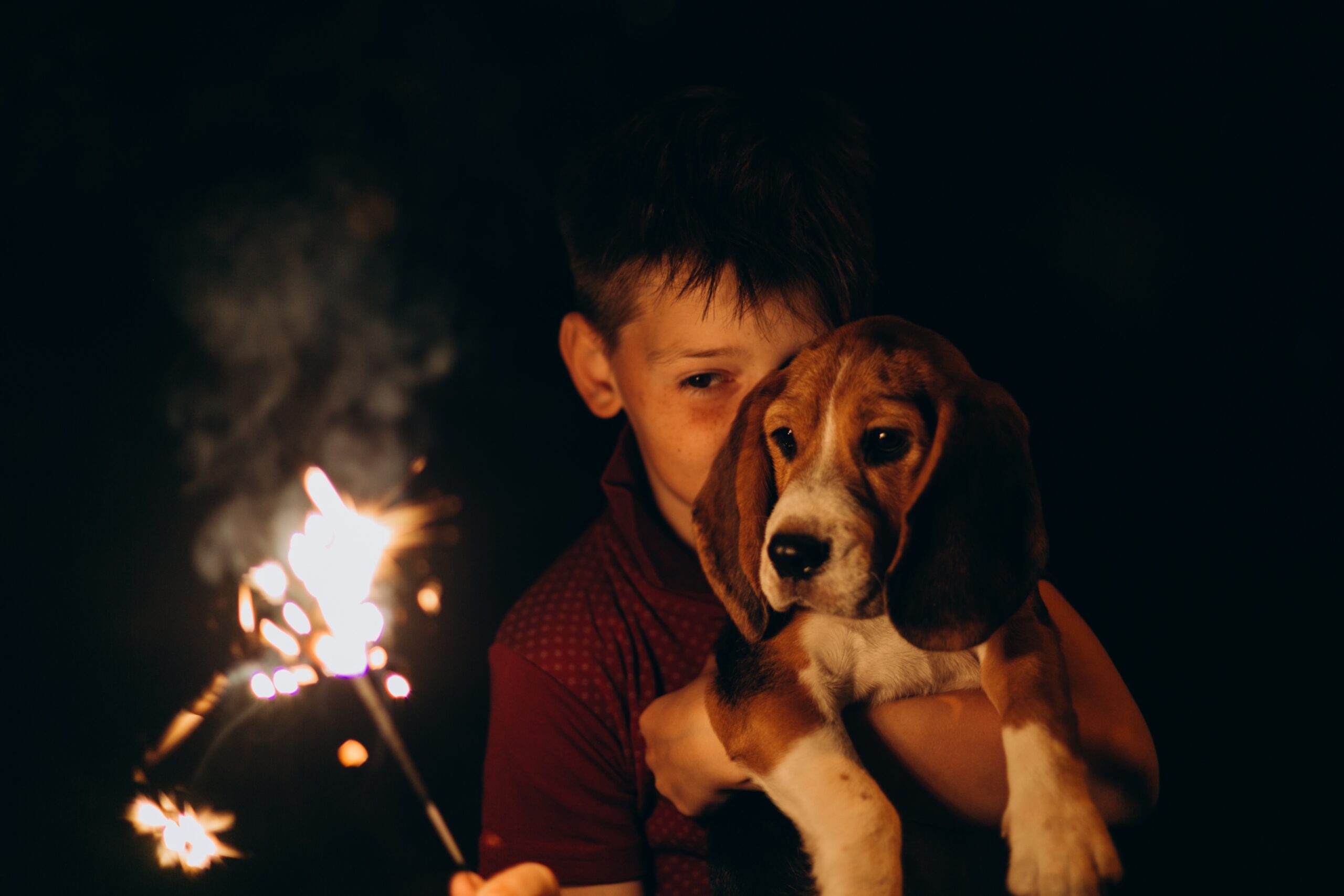
How to Calm Dogs During Fireworks
Fireworks can be a dazzling spectacle for people, but for many dogs, they are a source of anxiety. The loud, unpredictable noises can trigger fear and stress in our furry friends. Understanding how to calm dogs during fireworks is crucial for their well-being.
Dogs have sensitive hearing, making the booming sounds of fireworks particularly distressing. As a pet owner, you might feel helpless watching your dog tremble or hide. But there are effective strategies to help your dog feel safe and secure.
Creating a calm environment is key. This involves preparing your home and using calming aids to soothe your pet. It’s also important to stay calm yourself, as dogs often mirror our emotions.
In this guide, we’ll explore practical tips and techniques to comfort your dog during fireworks. From natural remedies to training methods, you’ll find solutions tailored to your dog’s needs. Let’s ensure your pet feels safe and loved during these noisy celebrations.
Why Are Dogs Scared of Fireworks?
Fireworks are often terrifying for dogs because of their loud and sudden noises. These unexpected sounds can trigger panic in dogs, who perceive them as a threat. Unlike people, dogs cannot anticipate or understand the cause of these noises.
A dog’s acute sense of hearing also plays a role in their fear. Sounds that may seem bearable to us are often much louder and more intense for dogs. This heightened sensitivity can make each boom of a firework overwhelming and frightening.
Moreover, fireworks are unpredictable. Dogs thrive on routine and familiarity, and the erratic nature of fireworks can increase their anxiety. Each burst is different in sound and intensity, adding to their stress.
Other environmental factors can contribute to their fear:
- The smell of gunpowder, which may be foreign or alarming
- Vibrations from the explosions that they can feel
- Bright flashes of light that can be disorienting
Understanding these reasons helps us better address our pets’ fears and create a safer, more comforting environment for them.
Signs Your Dog Is Anxious During Fireworks
Recognizing anxiety in dogs during fireworks is vital for their well-being. Dogs show signs of distress in various ways, helping us know when they need comfort.
Common signs of anxiety include noticeable changes in behavior. Some dogs may start panting excessively or pacing around the house. Others might retreat to a corner or hide under furniture.
Beyond these behaviors, you might observe other symptoms:
- Excessive drooling or licking
- Trembling or shaking
- Refusal to eat or drink
By identifying these signs early, you can take proactive steps to help soothe your dog. Knowing what to look for allows you to provide the reassurance and support your dog needs during these stressful events. Understanding their unique responses can also help tailor your approach to calming them effectively.
Preparing Your Home Before Fireworks Begin
Preparing your home is a vital step in keeping your dog calm during fireworks. A comforting environment can make a big difference in their anxiety levels.
Start by creating a safe space where your dog can relax. This could be a cozy room or a corner furnished with their favorite blankets and toys.
Close all windows and curtains to reduce the loud noises and flashing lights. Doing so minimizes disturbances and creates a serene atmosphere for your pet.
Think about incorporating soothing sounds, such as playing white noise or calming music specifically designed to ease a dog’s anxiety. These can help mask the explosive sounds of fireworks outside.
Here are some quick preparation tips:
- Secure loose objects that might frighten a jumping or shaking dog.
- Provide a sturdy crate, if your dog finds security within it.
Additionally, ensure that doors are locked to prevent a scared dog from escaping. Make sure they wear an ID tag or are microchipped, just in case.
Remove any hazards within your dog’s reach. Candles or items that could easily be knocked over should be safely stored away.
By organizing your home with these strategies, you help establish a peaceful environment. This reduces anxiety and enhances your pet’s sense of security when fireworks erupt.
How to Comfort Your Dog During Fireworks
Comforting your dog during fireworks involves thoughtful and caring actions. Stay close to them and provide gentle reassurance. This presence helps your dog feel supported.
Maintain a calm demeanor, as dogs pick up on human emotions. If you stay relaxed, your pet is more likely to feel at ease too.
Distractions are another effective way to soothe your pet. Offer them new toys or puzzle feeders that require focus. Mental engagement in puzzle feeders or training routines can keep their mind occupied and divert their attention from the commotion outside.
Here are some comforting gestures you can try:
- Offer treats that they enjoy as positive reinforcement.
- Stroke their fur gently or speak in a soft, calming voice.
Additionally, pay attention to your dog’s body language. If they prefer to retreat to a safe place, allow them to do so without forcing interaction.
In times of high stress, even simple activities can bring comfort. A short play session with their favorite toy can be a positive outlet for nervous energy.
Ultimately, the goal is to make your dog feel loved and secure. Through compassionate actions and understanding, you can transform a terrifying experience into a manageable one.
Calming Aids and Natural Remedies
Calming aids and natural remedies can play a crucial role in easing your dog’s anxiety during fireworks. Several options are available, each with unique benefits, to help soothe your pet.
One popular choice is pheromone diffusers, sprays, or collars. These products emit synthetic versions of natural calming chemicals, providing comfort to anxious dogs.
Other pet owners turn to herbal supplements. Chamomile, valerian root, or CBD oil, upon veterinarian approval, may aid in relaxing your dog.
Music can also serve as a calming tool. Play classical tunes or specifically designed pet playlists at a low volume to create a soothing atmosphere.
Also, consider using special garments like anxiety wraps or thunder shirts. These snug-fitting items can provide a sense of security for your dog.
Always test new remedies before a fireworks event to ensure your dog’s comfort. Monitoring their response to different calming aids is important, as each dog reacts differently.
By being proactive and exploring calming solutions, you can better support your dog through stressful events, bringing them peace and comfort.
Training and Desensitization Techniques
Training and desensitization can gradually help your dog become more comfortable with fireworks. This approach requires patience and consistency, and it can significantly reduce stress over time.
Start by introducing your dog to recorded firework sounds at a low enough volume that they still remain calm and relaxed. Showing interest in the sound is OK, but if you notice anxiety signals, decrease the volume. Gradually increase the volume as your dog becomes more accustomed. Ensure this is a positive experience by providing treats or toys during the process.
Another effective method is positive reinforcement. Reward your dog when they remain calm during these sound sessions. This helps them associate the noise with pleasant experiences.
Allow your dog to set the pace. If they show signs of distress, decrease the volume and provide comfort. Over time, these training methods can help build resilience to firework noises.
With dedication and empathy, desensitization can be a powerful tool for empowering your pet to face firework events with greater confidence.
What Not to Do: Common Mistakes to Avoid
When trying to calm your dog during fireworks, it’s important to avoid certain missteps. These can unintentionally increase your dog’s anxiety and fear.
Never scold or punish your dog for their fear response. This can worsen their anxiety and strain your relationship with them. Negative reactions to their fear may also lead to more behavioral issues.
Avoid forcing your dog to be near fireworks or in a situation where they feel trapped. This could escalate their stress and result in self-harm.
Consider these common mistakes to steer clear of:
- Leaving them alone during fireworks
- Ignoring signs of distress
- Drastically changing their routine
By staying supportive and understanding, you can help reduce your dog’s fear during fireworks and improve their overall comfort.
When to Seek Professional Help
Sometimes, despite your best efforts, a dog’s fear of fireworks might be overwhelming. In such cases, considering professional help can be beneficial.
A veterinarian can provide guidance on anxiety medications or other treatments that might ease your dog’s stress. It’s crucial to discuss the intensity of your dog’s anxiety symptoms with a professional to determine the best course of action.
Behaviorists or professional trainers specialize in anxiety-related issues. They can offer personalized training and strategies to better manage the situation. Consider seeking professional help if:
- Your dog shows severe anxiety symptoms consistently
- Previous approaches have not improved their comfort
- Your dog becomes destructive or self-harms during fireworks
Professional intervention can greatly enhance your dog’s well-being during stressful times.
Keeping Your Dog Safe and Calm During Fireworks
Ensure your dog’s safety by preparing well before fireworks begin. Anticipation helps manage stress levels for both you and your dog. Simple steps can make a significant difference in their comfort.
Stick to your pet’s daily routine to provide a sense of stability. Consistency in meals and walks keeps things predictable. This normalcy can be soothing during unsettling events like fireworks.
Plan to comfort your dog actively. Consider making a checklist of calming practices:
- Set up a cozy, quiet space.
- Use calming music or white noise.
- Keep favorite toys and blankets nearby.
These measures help create a comforting environment, ensuring your dog’s well-being amidst the noise.
Meet the Doctor!
If you live in the Lake Worth, Texas area visit Dr. Deborah Shanks, DVM and Owner of CityVet | Lake Worth, author of this blog. Book an appointment with Dr. Shanks now!
Call or visit us at CityVet to book your appointment.
FAQs
Most dogs do not enjoy fireworks. The loud and sudden sounds can be frightening. It’s best to assume your dog may be scared unless you know otherwise. This fear is due to their acute hearing and instinctive response to sudden noises.
Signs your dog is scared during fireworks include pacing, whining, and hiding. Some dogs may tremble or become clingy. It’s important to know these signs to provide timely comfort.
While many dogs can improve with training, some never fully acclimate to fireworks. It’s essential to be patient and understanding. Trying different techniques can help, but each dog is unique in their response.