
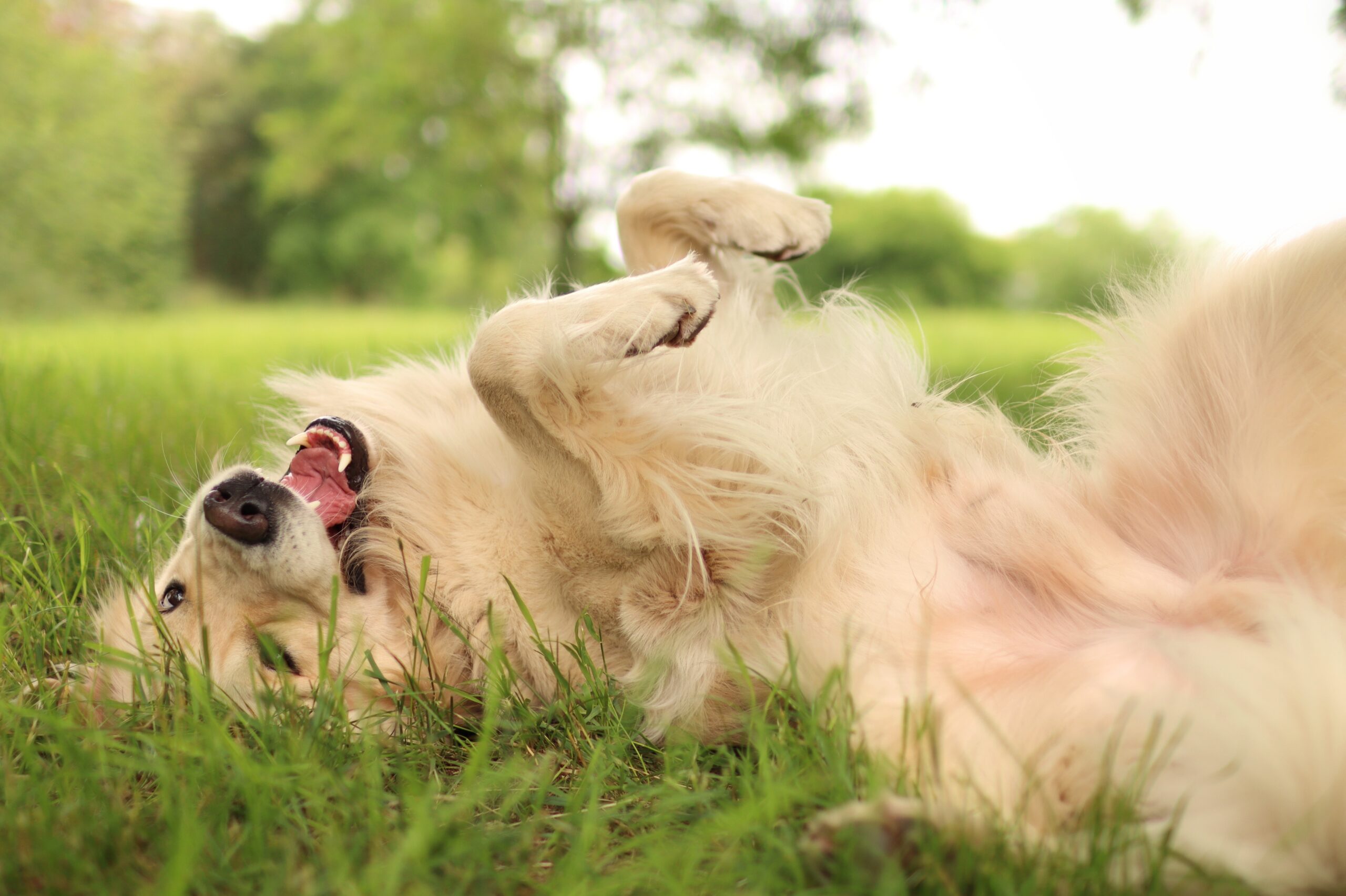
You just spent forty minutes, three towels, and half a bottle of expensive oatmeal shampoo getting your pup sparkling clean. Suddenly, they bolt outside and — splat — they are face-down in the yard, wiggling frantically. If you have ever asked, “Why does my dog roll in the grass the second they are clean?” you are definitely not alone.
Animal behaviorists explain that this sudden chaos is not spite, but rather a profound communication gap between our species. Those frantic post-bath zoomies are driven by a powerful sensory-behavioral link. To a canine, our pleasant lavender soap acts like a blaring siren to their highly sensitive nose.
The behavior stems from three natural biological responses: physical drying, sensory relief, and evolutionary instincts. By looking at grooming through your dog’s eyes, you can easily manage these behaviors without stressing your newly washed best friend.
The Sensory Overload: Why Your Lavender Fields Shampoo Smells Like a Siren to Your Dog
You might think your dog smells wonderfully fresh after a bath, but that lovely aroma feels like a total identity crisis to them. Imagine if someone forced you to wear an overpowering, awful perfume — you would want to scrub it off immediately. Because a dog’s nose is incredibly sensitive, artificial grooming fragrances act like a blaring siren rather than a pleasant scent.
This intense burst of floral smells creates a genuine sensory overload. When faced with this overwhelming noise, their instinct is to quickly find a neutralizing scent. This is why choosing an unscented dog shampoo can dramatically change their post-bath behavior and prevent true sensory discomfort.
What we consider a dirty patch of grass actually represents a comforting, natural reset button to their overwhelmed nose. By frantically rolling around, they aren’t trying to ruin your hard work; they are simply replacing that loud shampoo with a familiar environmental scent.
Olfactory Camouflage: How Your Dog Channels Their Inner Wolf to Stay Invisible
Long before they slept on cozy living room rugs, your pet’s ancestors had to hunt for survival. To get close to prey without being detected, they utilized olfactory camouflage — a clever tactic where an animal covers itself in environmental smells to hide its own natural scent signature. By aggressively rubbing against earth, leaves, or even animal droppings, wild predators effectively became invisible to the highly sensitive noses of their next meal.
Even though your fluffy companion probably only hunts for dropped kitchen snacks today, this ancestral hunting behavior remains heavily hardwired into their DNA. Two deeply ingrained canine instincts drive this messy habit:
- Scent Marking: Leaving their personal smell on an object (like peeing on a fire hydrant) to claim territory.
- Scent Masking: Putting the environment’s smell on themselves to blend into the background and remain undetected.
Your backyard grass serves as the most accessible disguise to practice these instinctual camouflage techniques. Through intense scent rolling, they reclaim a natural, earthy aroma that makes them feel safe and secure rather than artificially exposed. Beyond stealth, this high-speed friction serves a highly practical purpose.
The High-Speed Towel: Why Grass Is the Ultimate Blow-Dryer Alternative
Even the most thorough towel-drying session leaves a hidden layer of dampness trapped against your dog’s skin. For double-coated breeds especially, this lingering moisture feels incredibly heavy and uncomfortable, much like forcing yourself to walk around in wet clothes. Towels simply glide over the top layer of fur, leaving that dense undercoat completely soaked and begging for a more intense physical solution.
When they sprint outside, your lawn instantly transforms into a giant, textured towel. A frantic dog rubbing on grass is actually performing a highly effective mechanical drying technique. The firm blades and uneven ground act as a comb, creating the deep friction needed to reach below the topcoat. By vigorously rolling on abrasive outdoor surfaces, they efficiently remove excess moisture from their coat.
This intense physical effort explains the wild burst of post-bath energy we lovingly call the “zoomies.” Shedding that heavy, wet sensation provides immense tactile relief.
Reclaiming the Scent Signature: Putting the Dog Back in the Dog
Once the heavy water is shaken off, a completely different problem arises: your pup no longer smells like themselves. While we love that fresh lavender shampoo, a bath effectively erases your dog’s “Scent Signature” — their unique personal brand. Imagine waking up to find your driver’s license completely blank.
Reclaiming natural dog scent after washing is an instinctual drive to feel secure, confident, and socially active. You cannot erase thousands of years of biology, but you can certainly manage the messy aftermath.
How to Keep Your Clean Dog Clean: Pro-Tips for Post-Bath Success
You finally understand why your pup treats the lawn like a giant towel, but you still want them to stay fresh. The easiest trick for stopping the dirt-rolling starts before the water turns on. Since canine noses are easily overwhelmed, swapping heavy floral soaps for an unscented shampoo minimizes their sensory distress. If they don’t smell like a walking lavender bush, they won’t feel the urgent need to scrub that new scent off.
Managing their environment right after the tub drains is your next line of defense. Instead of letting them sprint straight outside, establish a routine focused on indoor drying alternatives that safely burn off that frantic energy. Try this post-bath checklist:
- Unscented shampoo
- Microfiber towels
- Indoor playtime
- High-value distractions
Redirected behavior is the ultimate secret to preventing post-bath zoomies. Toss premium treats across the living room floor; sniffing out these snacks forces them to use their nose for hunting rather than finding the nearest mud puddle.
Embracing the Roll: Finding a Balance Between Hygiene and Hound Nature
That frantic sprint out the door isn’t a rebellion against your hard work; it is just biology in action. A dog rolling around after a bath is simply trying to dry off, shed overwhelming perfumes, and reclaim their natural scent. Instead of seeing a ruined grooming session, recognize their instinctual need to feel secure.
For your next wash day, try using an unscented shampoo to reduce sensory overload. Keep an extra towel ready for an extended drying session, and consider letting them burn off frantic energy inside before facing the muddy yard.
Bridging the gap between human cleanliness and ancestral instincts takes patience. Next time you wonder why your dog rolls in the grass, remember they are just acting naturally. A happy dog is often a slightly grassy dog, so smile and let them enjoy the moment.
Meet the Doctor!
If you live in the Roswell, Georgia area visit Dr. Andrew Raskin, DVM and Owner of CityVet | Roswell, author of this blog. Book an appointment with Dr. Meyer now!
Call or visit us at CityVet to book your appointment.